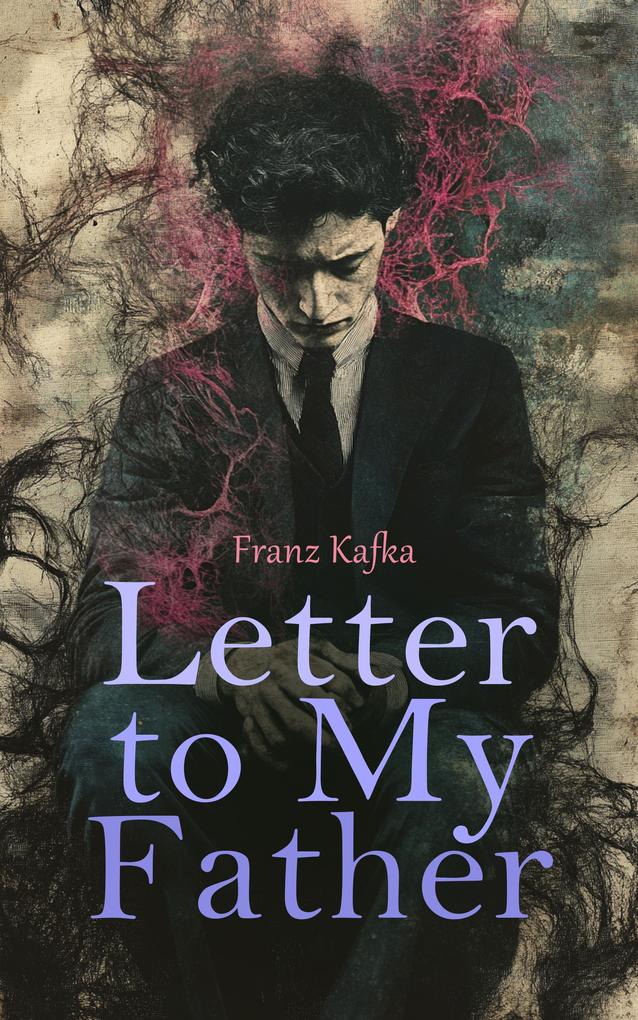
In *Letter to My Father*, Franz Kafka constructs an extraordinary document of familial accusation, self-examination, and failed communication. Addressed to his father, Hermann, the text revisits childhood memories, domestic authority, religious practice, work, marriage, and Kafka's own sense of inadequacy, transforming personal grievance into a searching inquiry into how power shapes consciousness. Neither conventional correspondence nor simple autobiography, it combines the precision of a legal brief with the anxiety, recursive logic, and dark irony characteristic of Kafka's fiction. Written in 1919 but never delivered or published during his lifetime, the letter occupies a revealing place within European literary modernism, anticipating later confessional and psychoanalytic modes while illuminating the emotional structures behind his novels and stories. Kafka's reflections emerge from a deeply ambivalent relationship with Hermann Kafka, a forceful, materially successful tradesman whose authority Kafka experienced as intimidating and morally inconsistent. The son's fraught feelings-fear, resentment, admiration, guilt, and longing for recognition-are intensified by his own struggles with illness, writing, employment, intimacy, and marriage. Although the letter is shaped by memory and rhetorical reconstruction rather than objective biography, its candor reveals Kafka's sustained effort to understand both his father and himself. This indispensable work is recommended to readers seeking the biographical and psychological dimensions of Kafka's imagination, as well as to anyone interested in modern literature's treatment of authority, memory, and selfhood. It rewards careful reading not as a final explanation of Kafka, but as a complex literary act of attempted reconciliation.