








Das eBook.de Hörbuch Abo - jederzeit, überall, für nur 7,95 € monatlich!
Jetzt entdecken
mehr erfahren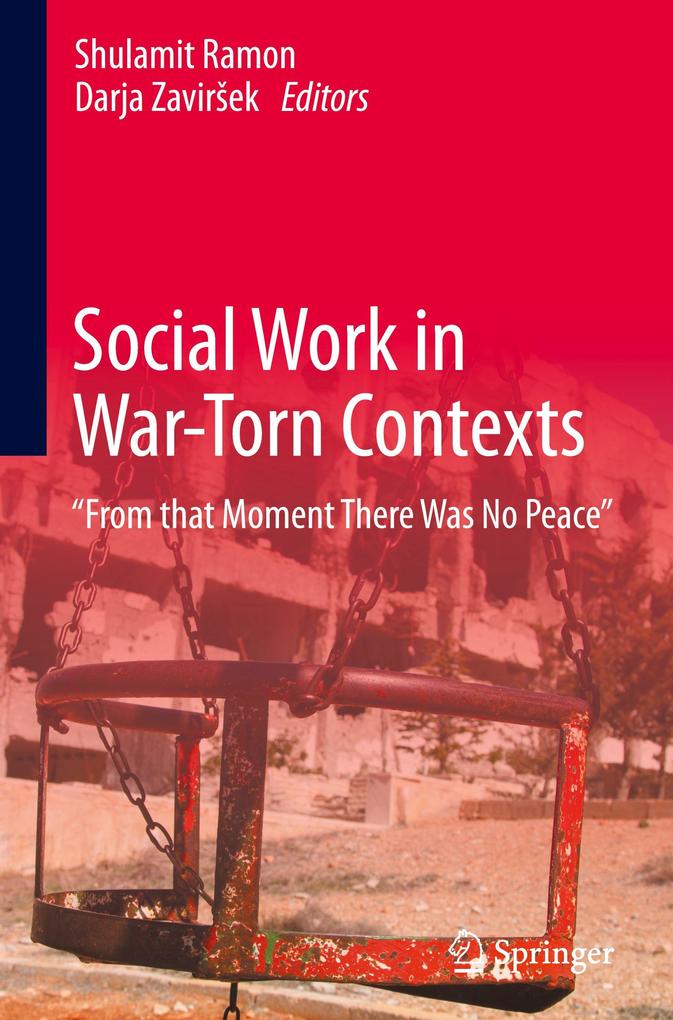
This book provides a wide-ranging exposure of current developments related to war-torn contexts, post-war societies and social work approaches as well as analysis of the key issues facing social work in war contexts. The topic is timely due to the increased number of armed political conflicts; the number of internally displaced people, refugees and asylum seekers; increased length of wars; and, consequently, increased number of civil victims, which contribute to an exponential growth in the demand for social work. As there are few updated texts on this issue, this book meets the considerable gap existing in the social work literature and includes updates as well as continuing trends.
Currently a huge number of countries are in a state of war in different continents, some of which have gone on for more than a decade. Inevitably this fact has considerable implications for their social workers as well as for the people they serve, with social workers in these countries sharing the reality of the war as citizens. The war experience is known to have long-lasting, intergenerational impacts. It also has a strong impact on the many other countries that receive refugees and asylum seekers and/or support militarily another country at war and/or refuse to support it.
The book s country-focused chapters on Afghanistan, Bosnia and Herzegovina, Greece, Israel, Italy, Jordan, Northern Ireland, Serbia, South Sudan, Syria, UK and Ukraine cover major topics including:
· The contexts of armed political conflicts from a social work perspective;
· The impact of war on disadvantaged individuals and groups;
· Forced migration;
· Post-war societies and post-war reconstructions from a social work perspective;
· The ethical issues related to war and peace from a social work perspective;
· The implication for social work education and research.
Social Work in War-Torn Contexts is an important and timely resource for social work and social science researchers, lecturers in different areas of social sciences, social work practitioners, as well as students. Politicians, war correspondents, international humanitarian organizations and volunteers also will find the book of interest.
Inhaltsverzeichnis
Studying war for peace: social work war and peace studies . - Separated by war: social work with unaccompanied children in the UK. - Komšiluk
in historical perspective: Once a neighbour, then an enemy; now, a neighbor again? . - The shared traumatic reality of social workers and the people they support in war-torn contexts. - The Role of Afghan Women in Social Work Amidst Conflict and Trauma. -
Gender-based Violence (GBV) during armed political contexts: A case study of South Sudan. - Psychological Symptomatology and Aggression Patterns Among Syrian Refugee Children in Jordan: Social Work Perspective. - The Role of Social Workers Concerning Forced Migration in Greece and Italy. - Social Work and Service Users Experiences of the War in Ukraine. - Coping with Genocide Denial? Social Work Roadmap in the Age of Post-Truth Politics. - People with disabilities in war-torn contexts. - Social work with Older People in War Contexts. - Northern Ireland: Educating for Peace in a Post-Conflict Society. - Lessons of, and Implications for, Social Workers and Service Users in War-Torn Contexts and Non-War Contexts.
This book is therefore a timely reminder that social workers need to think about the people impacted by war and how that shapes the support we offer. The book would be of interest to social workers supporting refugees and asylum seekers. However, 1 would urge all to read this incredibly timely and relevant examination of a subject area that is a constant and real threat. (Shuli Greenstein, Professional Social Work Magazine, January-February, 2026)
Es wurden noch keine Bewertungen abgegeben. Schreiben Sie die erste Bewertung zu "Social Work in War-Torn Contexts" und helfen Sie damit anderen bei der Kaufentscheidung.