






Das eBook.de Hörbuch Abo - jederzeit, überall, für nur 7,95 € monatlich!
Jetzt entdecken
mehr erfahren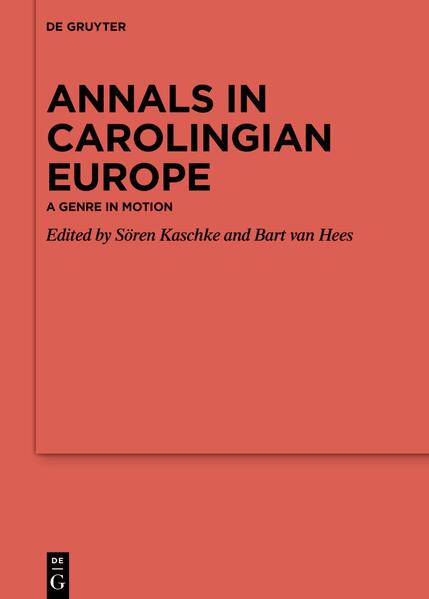
In the 8th-9th centuries annals became the predominant genre of Frankish historiography, displaying a remarkable variety of texts. Yet for a long time scholarly appreciation of this variety has been limited, stuck in 19th-century fixations on urtexts and doubts about the proficiency of annalists. But for some years now, annals have resurfaced as historiographical texts sui generis, much helped by the increasing availability of digitised manuscripts. This has facilitated the study of codicological contexts in which annals functioned - a feature flattened out in 19th-century editions - and was accompanied by renewed interest in the genre's role within Carolingian literary culture. The articles in this volume discuss the genre's characteristics, development and differentiation over time, including the agency available to authors, compilers and scribes alike. Test cases analyse regional interests, language, the (re)use of annalistic texts in chronicles and vice versa, and their use as tools of communication between intellectual networks. A recurring theme is the need for new editions, be it in print or digital. In all, the volume intends to provide a reference point for future research on the practice of early medieval history writing.
Die Germanische Altertumskunde Online wird - wie bereits das in ihr aufgegangene Reallexikon - durch Ergänzungsbände begleitet. Diese Reihe umfasst Monographien ebenso wie Sammelbände zu spezifischen Themen aus Archäologie, Geschichte und Literaturwissenschaft. Damit wird der Inhalt der Datenbank um jene Aspekte erweitert, die einer ausführlichen Analyse bedürfen. Inzwischen sind bereits mehr als 100 Bände erschienen von Germanenproblemen in heutiger Sicht bis zur Germanischen Altertumskunde im Wandel.Es wurden noch keine Bewertungen abgegeben. Schreiben Sie die erste Bewertung zu "Annals in Carolingian Europe" und helfen Sie damit anderen bei der Kaufentscheidung.