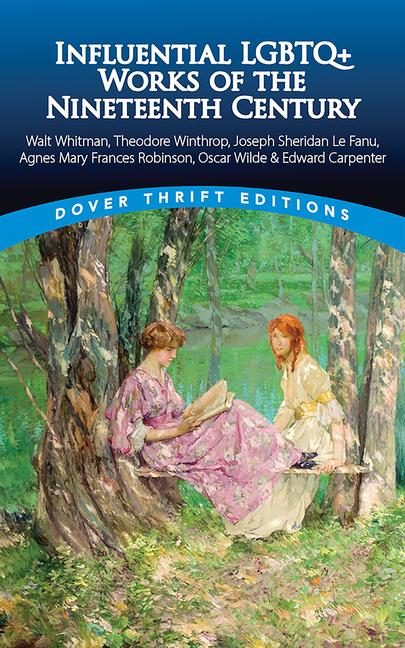
Walt Whitman (1819 - 1892), one of America's most influential and innovative poets, worked as a teacher, journalist, and volunteer nurse during the Civil War. Proclaimed as the nation's first "poet of democracy," Whitman reached out to common readers and opposed censorship with his overt celebrations of sexuality.
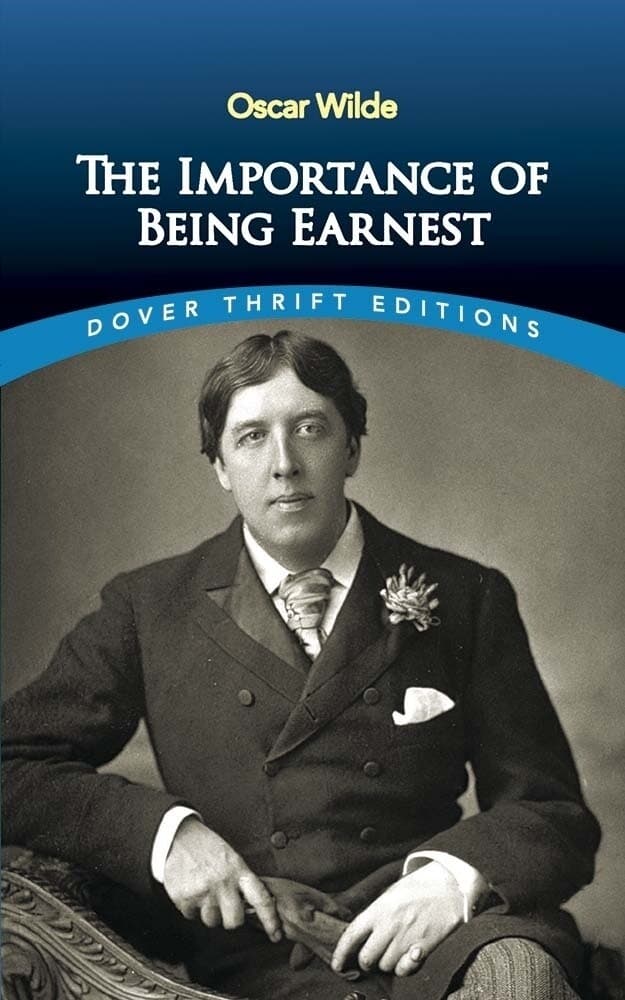
Theodore Winthrop (1828 - 1861) was a writer who did not find much success with his novels during his lifetime. After he died in service during the Civil War, some of his works were published posthumously. Cecil Dreeme is his most well-known novel. <p/>Joseph Sheridan Le Fanu (1814 - 1873) is regarded by many critics as the greatest master of the English ghost story. A product of the decaying Anglo-Irish culture of the early and middle nineteenth century, he sums up in his work the fears and dreads that may haunt the sensitive individual better than any of his contemporaries. <p/>Agnes Mary Frances Robinson (1857 - 1944) was a poet and author during the late nineteenth and early twentieth centuries. Her close friend and fellow poet, Violet Paget, who wrote under the pseudonym Vernon Lee, is believed to have been the subject of some of Robinson's romantic poems. <p/>Oscar Wilde (1854 - 1900) was a poet and playwright who is best known for his novel The Picture of Dorian Gray. He would be tried and convicted on gross indecency charges after losing a libel case against Sir John Sholto Douglas, who accused Wilde of being homosexual. Wilde would remain in prison for two years. <p/>Edward Carpenter (1844 - 1929) was an early activist for gay rights in the UK during the late nineteenth century and early twentieth century. His works were influenced by his close friend, Walt Whitman, and mainly consisted of essays and pamphlets advocating for socialism, feminism, and gay rights.