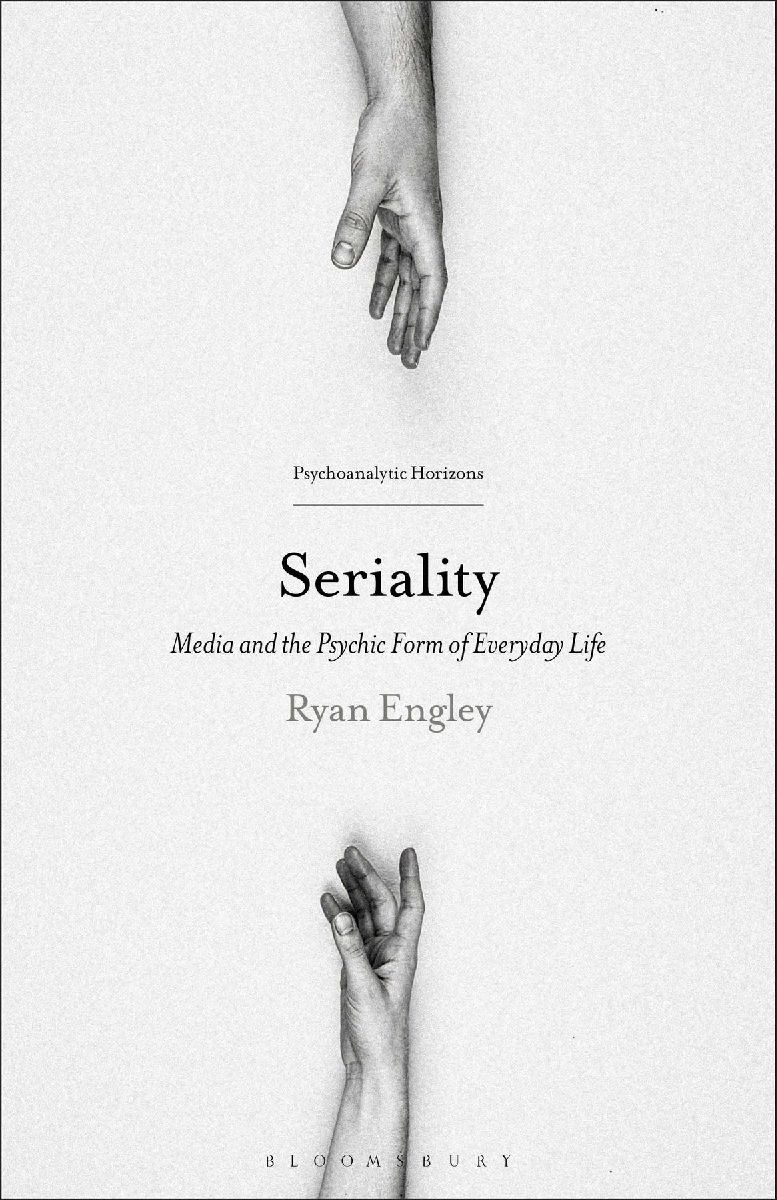
This material and theoretical history of seriality shows it to be the dominant form of culture since its inception within 19th-century print culture, as both a media structure and a psychic one.
The serial is everywhere. Commonly identified by the segmented release structure of an ongoing narrative - from installments of Victorian novels to TV episodes to comic books - seriality names the spread of installment-based storytelling across a range of media. However, Ryan Engley argues that seriality is not only a narrative structure but also a psychic structure. Seriality - in its dependence on gaps, delay, and constraint - names the fundamental trauma of contemporary life: that there exists an intrinsic relation between self and other, a relation that is often difficult to see and difficult to bear.
Through formal readings of media texts alongside Freudian and Lacanian psychoanalysis, the dialectical method of G.W.F. Hegel, and Jean-Paul Sartre's existentialism, Seriality: Media and the Psychic Form of Everyday Life shifts the focus of seriality studies. In so doing, Engley presents a rebuttal to the common refrain that our lives, like contemporary media, have become endlessly fragmented. Rather, Engley finds, we have become radically - serially - connected.
Inhaltsverzeichnis
Acknowledgments< BR> < BR> Introduction: Mind the Gap< BR> 1. Psyche Is Extended: Dickens, Marx, Freud, and Seriality's Theoretical Beginnings< BR> 2. Lacan, Relation, and the Serial Symbolic< BR> 3. Theorizing the Cut of Seriality: Why the Quilting Point Arrests and the Master Signifier Obscures< BR> 4. Seriality at the Formal Limit of Television < BR> 5. From Film Serials to Streaming Television, or the Gaps in the Gapless< BR> 6. Social Media against Seriality< BR> 7. Radical Repetition< BR> Conclusion: The Serial Is Serious< BR> < BR> Notes< BR> Bibliography< BR> Index