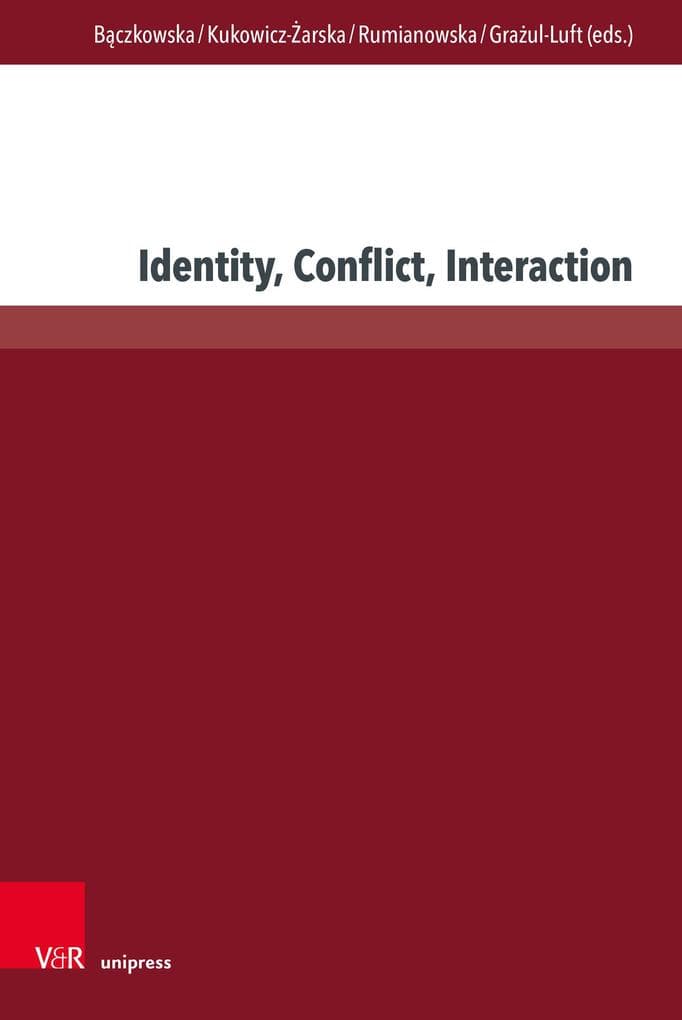
Mobility is a key force shaping language and belonging, and producing hybrid identities
The contributors argue that multilingual repertoires are shaped by various forms of mobility-physical, symbolic, and digital. Across diverse contexts, mobility generates new linguistic resources, reshapes identities, and prompts individuals to negotiate belonging and power. They show that multilingualism is flexible, emotionally charged, and deeply tied to social hierarchies, conflict, and shifting ideologies. While mobility can foster hybridity and creativity, it can also reinforce exclusion and nationalism. Overall, the volume highlights multilingualism as dynamic, contested, and central to understanding contemporary social life.