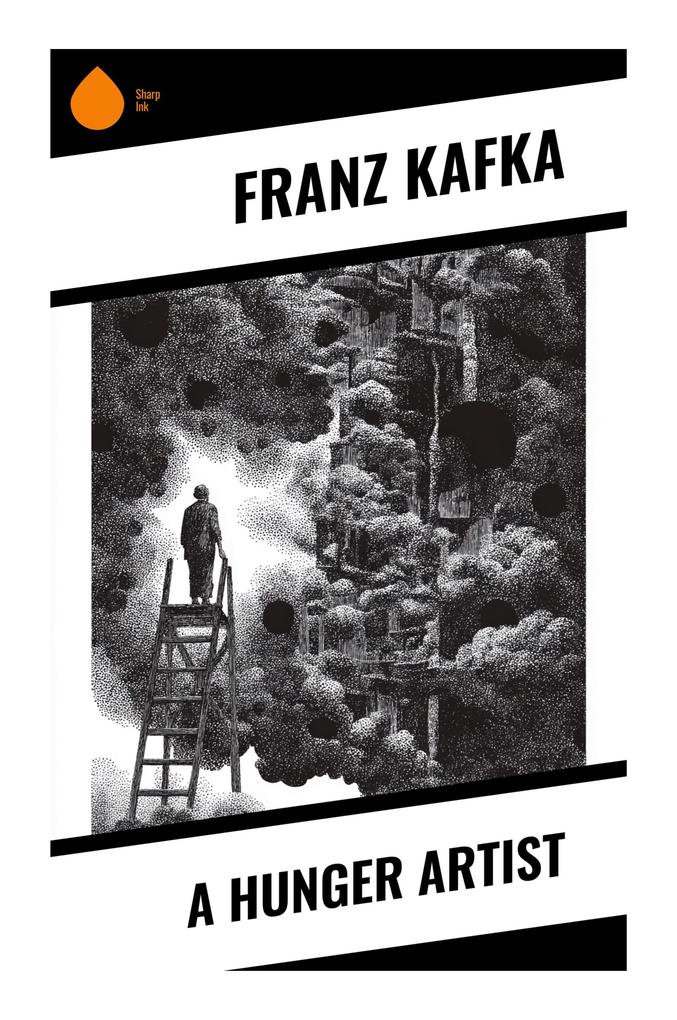
Franz Kafka's "A Hunger Artist" is a spare, unsettling parable about an emaciated performer whose public fasting, once celebrated as an art, gradually becomes obsolete in a changing culture of spectacle. Written in Kafka's characteristically lucid yet nightmarish prose, the story transforms a bizarre entertainment into a meditation on artistic integrity, alienation, bodily discipline, and the impossibility of being truly understood. In the context of early twentieth-century modernism, it stands as one of Kafka's sharpest examinations of the artist's estrangement from audience and society. Kafka, born in Prague in 1883 to a German-speaking Jewish family, spent much of his life negotiating conflicting pressures of language, family authority, bureaucracy, and ill health. His work often reflects feelings of guilt, exclusion, and spiritual hunger, shaped by his legal career, fraught paternal relationship, and acute sensitivity to modern institutions. "A Hunger Artist," published near the end of his life, carries the poignancy of a writer preoccupied with vocation, suffering, and recognition. This story is highly recommended for readers drawn to philosophical fiction, modernist literature, and symbolic narratives of artistic sacrifice. Brief yet inexhaustible, it rewards close reading and remains one of Kafka's most haunting statements on the cost of devotion to an incomprehensible art.