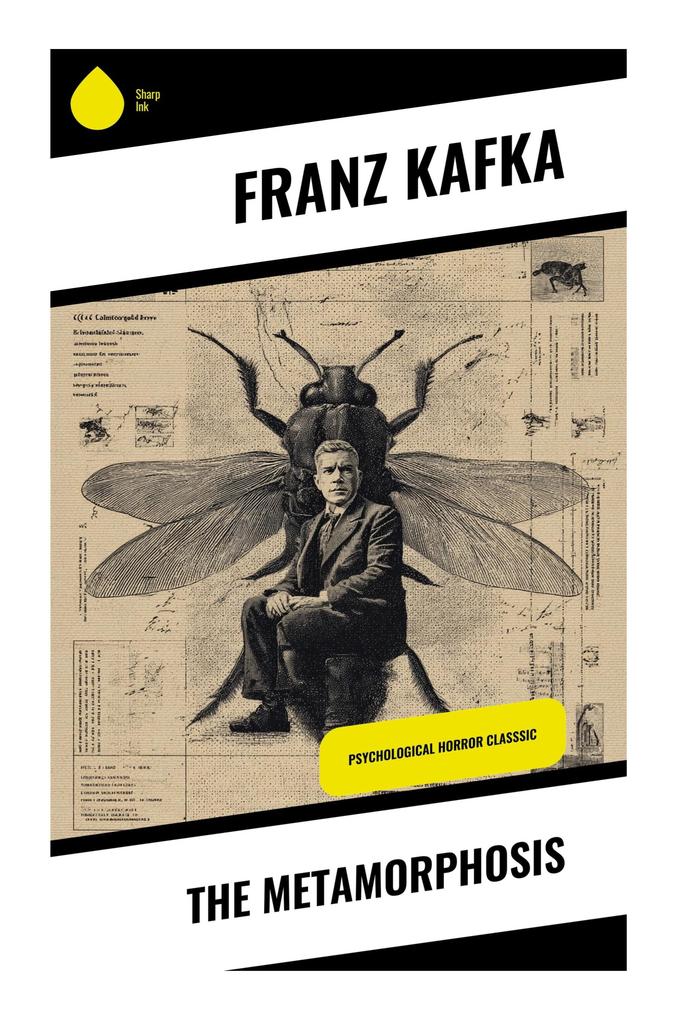
The Metamorphosis opens with one of modern literature's most unsettling premises: Gregor Samsa, a dutiful traveling salesman, wakes to find himself transformed into a monstrous insect. Kafka renders this impossibility in a cool, precise, almost bureaucratic prose, intensifying the horror through domestic detail rather than spectacle. Situated within early twentieth-century modernism, the novella explores alienation, familial obligation, economic servitude, and the collapse of human identity under social pressure. Franz Kafka, born in Prague in 1883 to a German-speaking Jewish family, wrote from within a world marked by cultural displacement, authoritarian institutions, and anxious modernity. His own fraught relationship with his father, his work in insurance bureaucracy, and his recurring sense of guilt and estrangement inform the novella's emotional architecture. Gregor's degradation reflects not merely a private nightmare but Kafka's broader vision of individuals crushed by opaque demands. This book is essential for readers interested in modernist fiction, existential thought, or the literature of psychological and social unease. Brief yet inexhaustible, The Metamorphosis rewards close reading and remains a profound meditation on what society values-and what it discards.