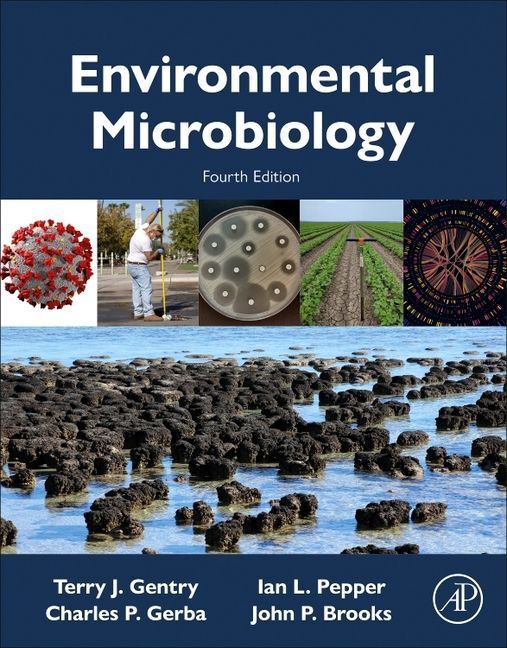
Environmental Microbiology, Fourth Edition is the revised edition of a key, foundational text for the field of environmental microbiology which hits all the pillars of the field and takes into account the tremendous advances in environmental microbiology over past decade. It provides comprehensive information on traditional methodologies utilized to study environmental microbes, as well as state-of-the-art technologies. Emphasis is placed on molecular and bio-informatic approaches to the study of environmental microbes, including nucleic acid and ‘ omic methodologies. The book is divided into seven parts that stretch across microbiology concepts, microbial environments, microbial methods and technologies, microbial transport, biogeochemistry, and bioremediation, water and foodborne pathogens, wastewater treatment and distribution, and urban microbiology. Environmental Microbiology, Fourth Edition is the study of microbes within all habitats, and their beneficial and detrimental impacts on human health and welfare. This book illustrates the significance of environmental microbes in our daily lives in terms of not only the overall health of the planet, but also: what infects us; what heals us; what we drink; what we eat; and what we breathe.
Inhaltsverzeichnis
Part 1. Review of Basic Microbiology Concepts< BR> 1. Introduction to Environmental Microbiology< BR> 2. Microorganisms Found in the Environment< BR> 3. Bacterial Growth< BR> < BR> Part 2: Microbial Environments< BR> 4. Earth Environments< BR> 5. Aerobiology< BR> 6. Aquatic Environments< BR> 7. Biofilms< BR> 8. Environmental Microbiomes< BR> < BR> Part 3: Microbial Methods and Technologies< BR> 9. Environmental Sample Collection and Processing< BR> 10. Microscopic Techniques< BR> 11. Cultural Methods< BR> 12. Physiological Methods< BR> 13. Immunological Methods< BR> 14. Nucleic Acid-Based Methods of Detection< BR> 15. Bioinformation and "Omic" Approaches to Microbiome Characterization< BR> < BR> Part 4. Microbial Transport, Biogeochemistry, and Bioremediation< BR> 16. Microbial Transport< BR> 17. Biogeochemical Cycling< BR> 18. Microorganisms and Organic Pollutants< BR> 19. Microorganisms and Metal Pollutants< BR> < BR> Part 5. Water and Foodborne Pathogens< BR> 20. Environmentally Transmitted Pathogens< BR> 21. Indicator Microorganisms< BR> 22. Environmental Antimicrobial Resistance< BR> 23. Microbial Source Tracking< BR> 24. Risk Assessment< BR> < BR> Part 6. Wastewater, Reclaimed Water, and Potable Water Treatment and Distribution< BR> 25. Municipal Wastewater Treatment< BR> 26. Land Application of Organic Residuals: Municipal Biosolids and Animal Manures< BR> 27. Reclaimed Water Treatment and Reuse< BR> 28. Drinking Water Treatment and Distribution< BR> 29. Disinfection< BR> < BR> Part 7. Urban Microbiology and Emerging Issues< BR> 30. Microbiology of the Built Environment and Pandemic Preparation< BR> 31. Wastewater-based Epidemiology< BR> 32. One Health