







Das eBook.de Hörbuch Abo - jederzeit, überall, für nur 7,95 € monatlich!
Jetzt entdecken
mehr erfahren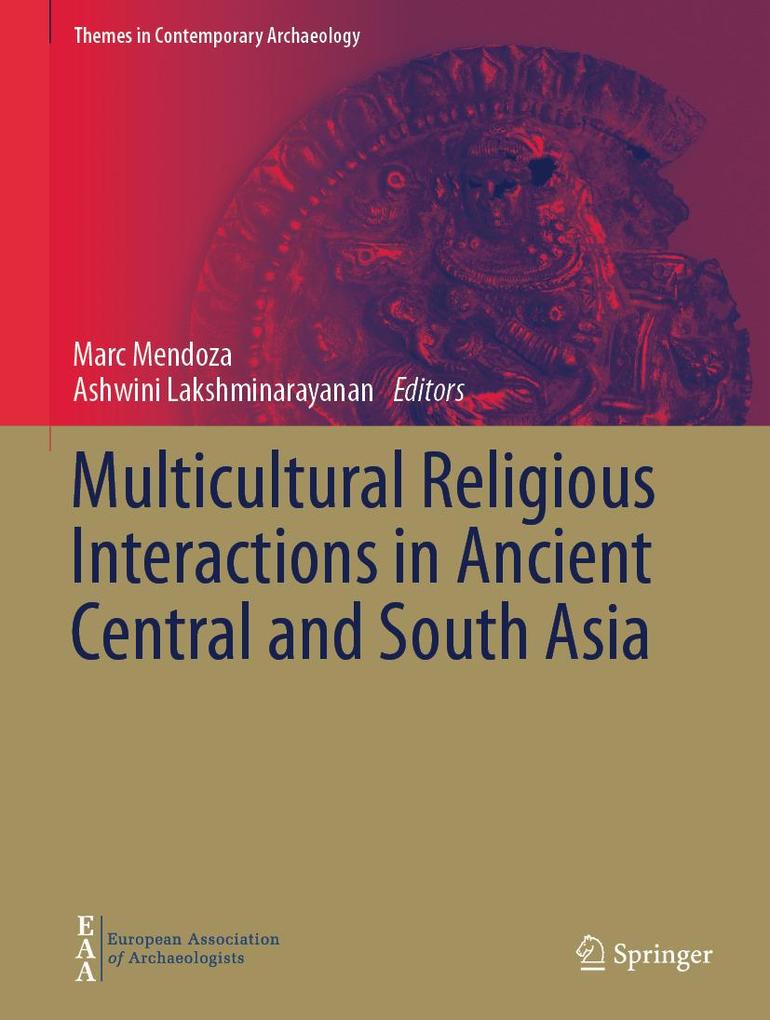
This book explores multicultural religious interactions in Ancient Central and South Asia. Besides encompassing a vast chronological and geographical range, the themes of this book represent a broad illustration of the current main approaches, methodologies, and perspectives on Ancient Central and South Asia studies, including the establishment of new sacred spaces; the introduction of new rituals, ceremonies, and convivial practices; archaeological evidence for religious interaction, coexistence, and conflict, among others. In this book, archaeologists, historians, art historians, and linguists come together to demonstrate the intensity and complexity of cultural interactions within the religious landscape from the fourth century BCE till the fourth century CE.
Moving beyond traditional approaches of acculturation, the book reveals the dynamics between cultures and emphasizes local agencies in selecting and appropriating religious praxis, thus highlighting not only the impact of religious interactions but also the wider cultural impact of human interactions. The book provides both specialist and non-specialist audiences with new data and fresh perspectives regarding interactions between cultures in Ancient Central and South Asia, in turn allowing us to comprehend similar nodes of interactions within the modern context. Its geographical and temporal scope will be interesting to readers working on both European and South Asian history, art, and archaeology. This volume is relevant to scholars studying other areas as well, as it traces the spread and transformation of religious conceptions, objects, representations, and practices, with our regions serving as key nodes in this global system.
Inhaltsverzeichnis
Chapter 1. Introduction (Lakshminarayanan and Mendoza). - Part 1. Central Asia. - Chapter 2. Textual Archaeology: On sacred groves in Hellenised Central Asia (Mendoza). - Chapter 3. Making Space for Buddhism: Early Buddhist Practice in Hellenistic Central Asian Religious Spaces (Ross). - Chapter 4. The merging of Therav din and Mah sa ghika traditions in the decoration of Ha a monasteries (Vanleene). - Chapter 5. Power through religion and religion through power. Royal agency and local cults in Hellenistic Central Asia and Northwest India (Coloru). - Part 2. South Asia. - Chapter 6. Representation of Gandh ra as a multireligious place in Vita Apollonii by Philostratus (Kubica). - Chapter 7. Dance around the Buddha: Multicultural Performances in Gandh ran Art (Lakshminarayanan). - Chapter 8. Jaina and V ra aiva Interactions in South India: Archaeological Evidence for Dependencies and Mutual Exchange (Hegewald). - Chapter 9. Protector of all Practices : The Religious Endowments of a Hoysa a Queen (Gururaja). - Chapter 10. Conclusions (Lakshminarayanan and Mendoza).
Es wurden noch keine Bewertungen abgegeben. Schreiben Sie die erste Bewertung zu "Multicultural Religious Interactions in Ancient Central and South Asia" und helfen Sie damit anderen bei der Kaufentscheidung.