








Das eBook.de Hörbuch Abo - jederzeit, überall, für nur 7,95 € monatlich!
Jetzt entdecken
mehr erfahren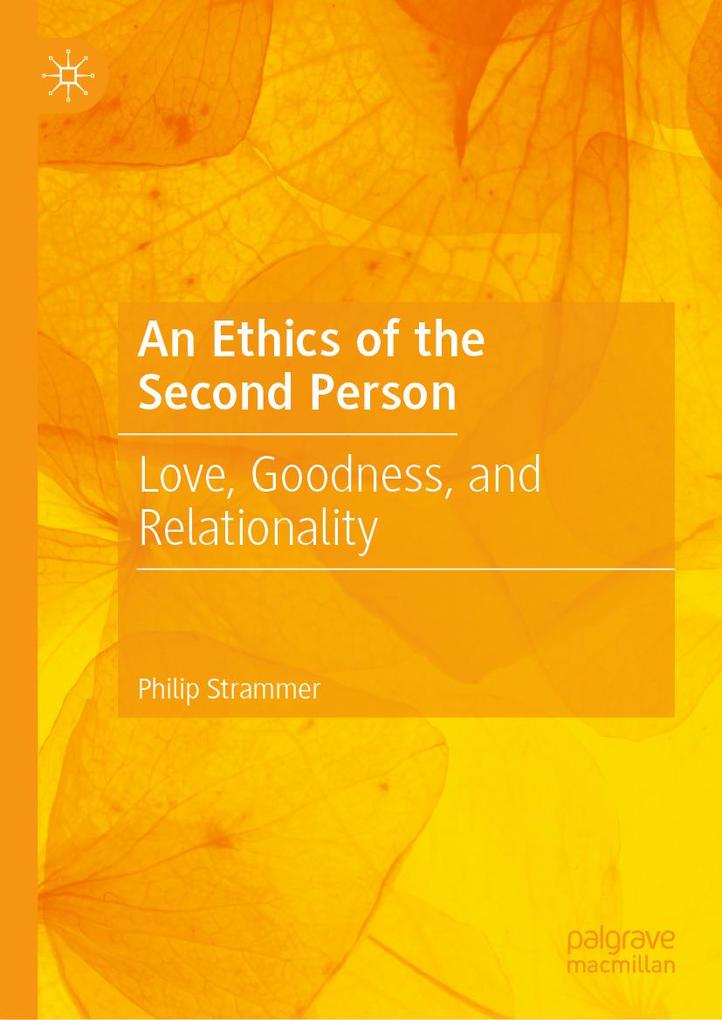
This book reimagines the foundations of moral philosophy by centering on the ethical significance of second-personal experience-our direct, lived responsiveness to others. Philip Strammer challenges the dominance of both naturalist and transcendental traditions, arguing that neither adequately accounts for the moral depth of the I-You relation.
Drawing on Martin Buber's dialogical philosophy and enriched by post-Wittgensteinian moral thought, the book explores conscience, remorse, and saintliness as second-personal phenomena. At its heart is the concept of lovingness-a wholehearted, unmediated openness to otherness-as the key to understanding moral meaning and the manifestation of goodness.
Through rigorous philosophical analysis and vivid phenomenological examples, Strammer offers a compelling alternative to moral theories moving within the subject-object dichotomy. This work will appeal to scholars and advanced students in ethics, phenomenology, moral psychology, and religious thought, offering a fresh and challenging perspective on what it means to live a morally responsive life with and among others.
Inhaltsverzeichnis
1 The First, Second, and Third Person in Moral Philosophy. - 2 The Second-Person Relation in Philosophy. - 3 I-It and I-You in the Thought of Martin Buber. - 4 Buber s I-You as the Basis for a Reconception of Ethics. - 5 Love and/as the Second-Personal Relation. - 6 (Un-)Lovingness: Five Examples. - 7 Love and Morality. - 8 Love and Goodness. - 9 Love, Goodness, and Togetherness.
Es wurden noch keine Bewertungen abgegeben. Schreiben Sie die erste Bewertung zu "An Ethics of the Second Person" und helfen Sie damit anderen bei der Kaufentscheidung.