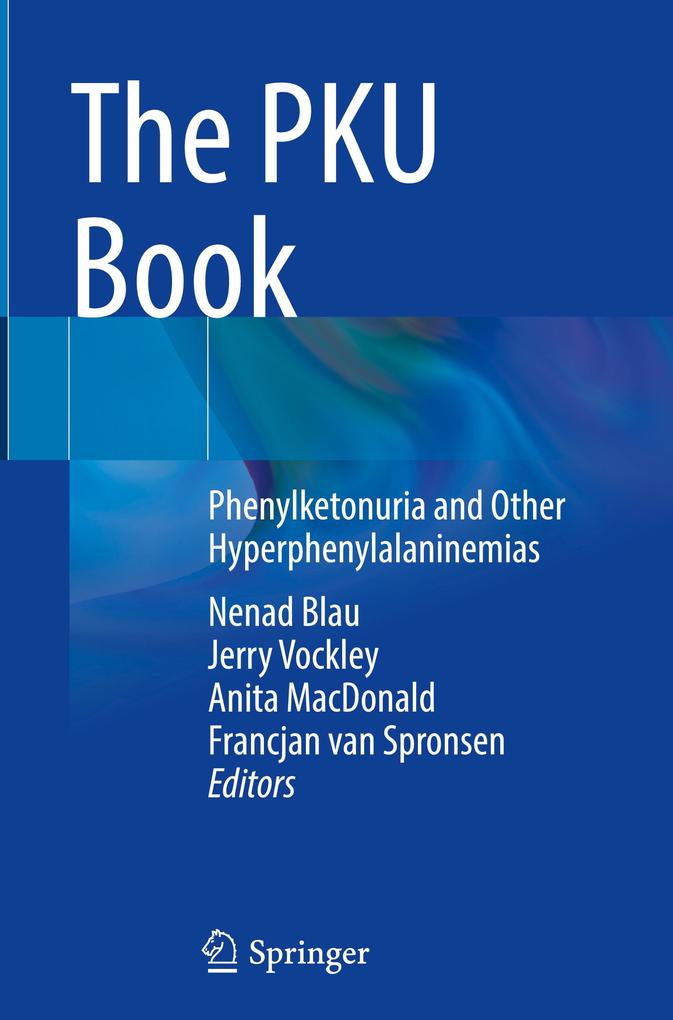
Phenylketonuria (PKU) is the most frequent inborn error of the amino acid metabolism (prevalence about 1:10, 000 newborns). These autosomal-recessive inherited variants lead to deficiency in the PAH enzyme which hydroxylates phenylalanine to tyrosine, with the help of a cofactor (tetrahydrobiopterin; BH4), molecular oxygen, and non-heme iron. The metabolic picture is highly heterogenous as it depends on the degree of residual PAH activity and blood phenylalanine (Phe) concentrations. Untreated PKU generally results in global developmental delay or severe irreversible intellectual disability, as well as growth failure, hypopigmentation, motor deficits, ataxia, and seizures. The population of PKU-affected individuals is heterogeneous in terms of treatment history and diet compliance. Early diagnosis and treatment with a low-Phe diet has enabled an almost normal life for the majority of PKU subject. Pharmacological treatment with BH4 (sapropterin) and enzyme substitution therapy with Phe ammonia lyase (PAL) provide alternative treatment options for some PKU subjects. Several gene therapy trials are on the way.
The book includes the latest advancements in the pathophysiology of PKU, which is still not fully understood, as well as its management with new therapeutic options.
Inhaltsverzeichnis
. Foreword. - . Preface. - 1. History of PKU. - . Part I: Phenylalanine Hydroxylating System and Pathophysiology. - 2. Phenylalanine hydroxylase. - 3. Cofactor tetrahydrobiopterin (BH4). - 4. DNAJC12 and other chaperons. - 5. Deubiquitinase and PAH. - 6. Long non-coding RNA (lncRNA) and phenylalanine hydroxylase. - 7. Transport at the blood-brain barrier. - 8. Toxicity of phenylalanine. - 9. Animal models for PKU and BH4 deficiency. - . Part II: Classification, Diagnosis and Genetics of PKU. - 10. Phenylalanine hydroxylase deficiency. - 11. Tetrahydrobiopterin deficiencies (incl. non-HPA). - 12. DNAJC12 deficiency. - 13. Diagnosis of hyperphenylalaninemias. - 14. Genetics of PAH deficiency. - 15. PAH variants pathogenicity classification. - 16. Genetics of BH4 deficiencies incl. DNAJC12. - . Part III: Management of PKU. - 17. Dietary management. - 18. Pharmacological therapy (small molecules). - 19. Enzyme substitution therapy. - 20. LNAA therapy. - 21. Gene therapy. - 22. Future therapeutic options. - 23. Maternal PKU. - 24. Follow-up of PKU patients. - 25. Lost in follow-up and reintegration. - 26. Neurocognitive outcome and assessment. - 27. The microbiome and PKU. - 28. Comorbidities in adults with PKU. - 29. Undiagnosed/late presenting/late treated PKU. - 30. Woman' s health. - 31. Maternal BH4 deficiency. - 32. The `real story of treated PKU patients. - . Part IV: Guidelines and Resources. - 33. EU guidelines for PKU. - 34. International guidelines for BH4-deficient patients. - 35. iNTD database. - 36. Resources for patients and parents. - 37. Index.
Es wurden noch keine Bewertungen abgegeben. Schreiben Sie die erste Bewertung zu "The PKU Book" und helfen Sie damit anderen bei der Kaufentscheidung.