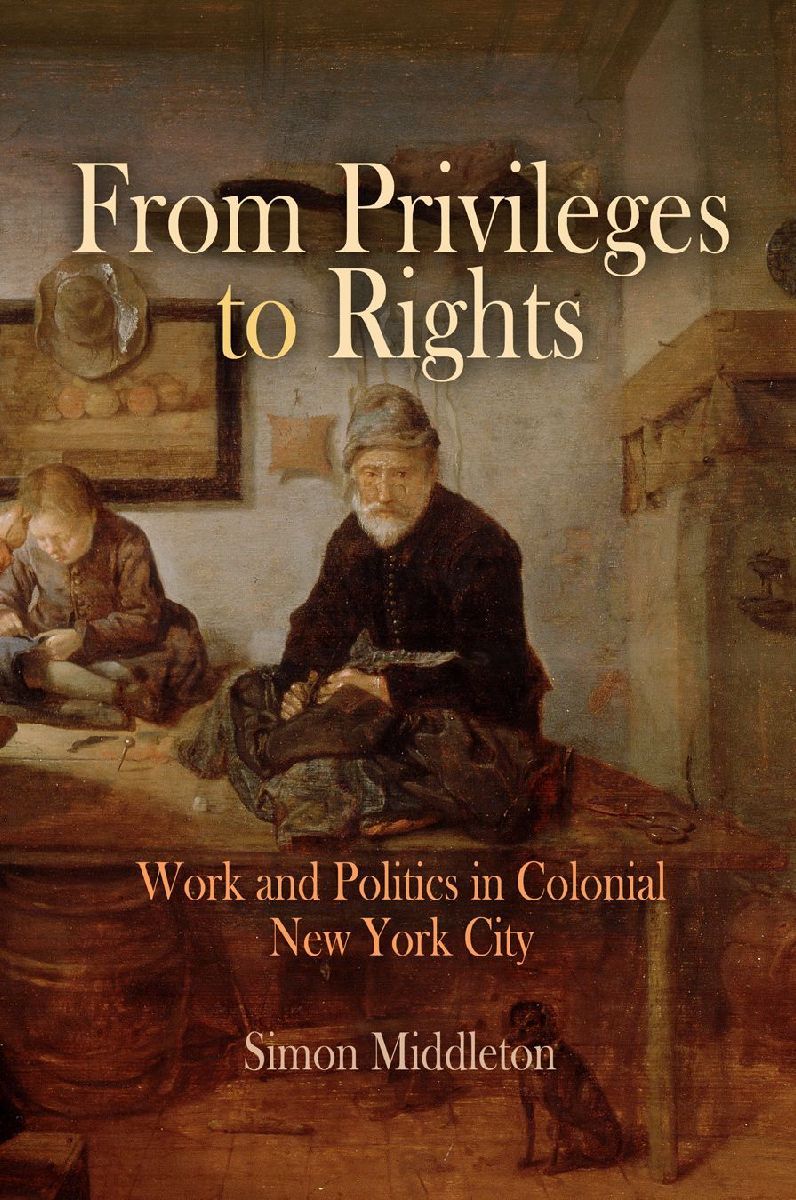
Connects the changing fortunes of tradesmen in early New York to the emergence of a conception of subjective rights that accompanied the transition to a republican and liberal order in eighteenth-century America.
Inhaltsverzeichnis
Introduction
1. "Earning a beaver:" tradesmen in New Amsterdam
2. "Like a child in their debt and consequently their slave:" the transition to English rule in New York City, 1664-91.
3. "Diverse necessaries and conveniences work found and provided:" trading in a craft economy, 1691-1730.
4. "The only obstruction at this present is our want of people:" the problem with labor, 1691-1730
5. "For so much as he doth reasonably deserve to have:" tradesmen and the English common law
6. "C'mon brave boys let us be brave for liberty and law:" artisans and politics in New York City, 1730-1763.
7. Conclusion
Acknowledgments