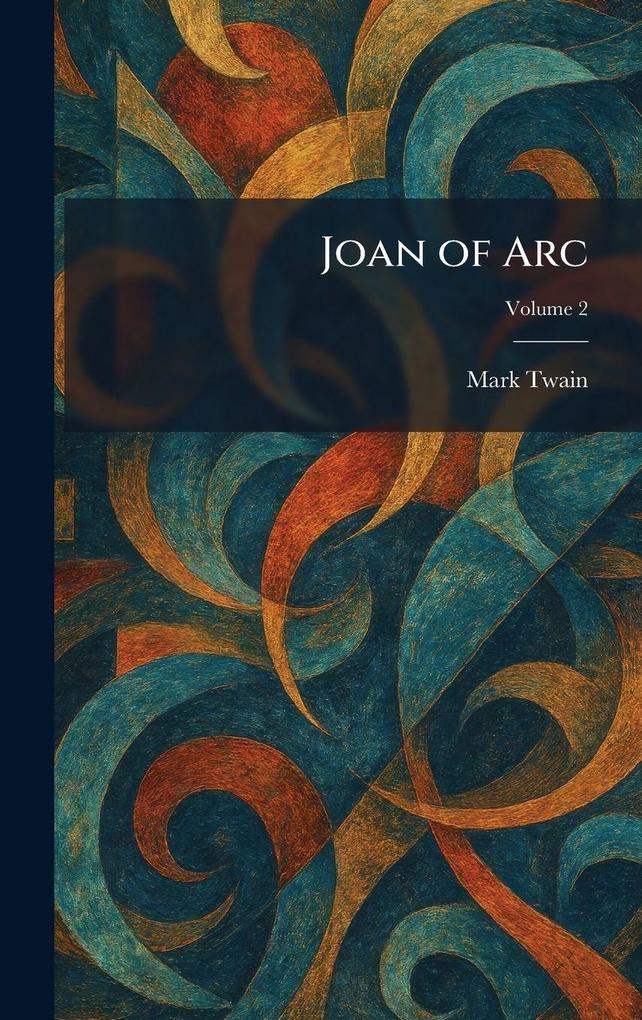
"Joan of Arc (Volume 2)" concludes Mark Twain's sweeping historical novel, presented as the fictionalized memoirs of the Sieur Louis de Conte, a childhood friend and page to the Maid of Orléans. This volume follows the heroic journey of Joan from the height of her military triumphs to her eventual capture, trial, and martyrdom. Twain, who famously regarded this as his most significant and cherished work, spent years researching the life of the French saint to ensure historical accuracy while infusing the narrative with emotional depth and reverence.The story focuses on the Siege of Orléans, the coronation of King Charles VII, and the subsequent political intrigues that led to Joan's downfall. Through the eyes of her loyal secretary, the reader witnesses the spiritual conviction and tactical brilliance of a peasant girl who challenged the powers of the medieval world. Moving away from his usual satirical humor, Twain delivers a poignant and respectful exploration of faith, courage, and the cost of absolute devotion. "Joan of Arc" remains a powerful literary tribute to one of the most enigmatic figures in world history, blending epic storytelling with a tragic, yet inspiring, human drama.
This work has been selected by scholars as being culturally important, and is part of the knowledge base of civilization as we know it. This work was reproduced from the original artifact, and remains as true to the original work as possible. Therefore, you may see the original copyright references, library stamps (as most of these works have been housed in our most important libraries around the world), and other notations in the work.
This work is in the public domain in the United States of America, and possibly other nations. Within the United States, you may freely copy and distribute this work, as no entity (individual or corporate) has a copyright on the body of the work.
As a reproduction of a historical artifact, this work may contain missing or blurred pages, poor pictures, errant marks, etc. Scholars believe, and we concur, that this work is important enough to be preserved, reproduced, and made generally available to the public. We appreciate your support of the preservation process, and thank you for being an important part of keeping this knowledge alive and relevant.