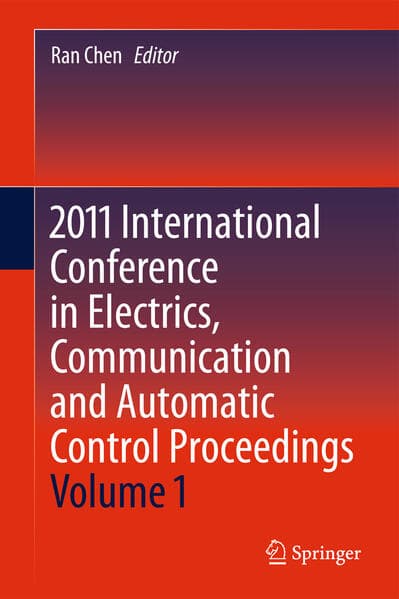
This book presents a comprehensive exploration of the technologies, analytical methods and engineering practices shaping the next generation of electrotechnical systems. As power networks evolve under the pressures of decarbonization, digitalization and rising reliability demands, this book brings together contemporary research that addresses the design, operation, diagnostics and standardisation of modern power systems and microgrids. The book is structured into three interconnected parts. Part I Microgrid Energy Management examines the tools and strategies required to balance energy flows in hybrid microgrids. Chapters explore optimisation techniques, forecasting methods and dynamic control approaches for systems combining renewable generation, conventional sources and energy storage. Special attention is given to polygenic microgrids, where coordinated management is essential for flexibility and resilience. Part II System Efficiency and Diagnostics focuses on improving the performance and reliability of electrotechnical equipment. Contributions cover advanced materials, thermodynamic analysis, electromechanical device behaviour and remote monitoring techniques. These studies highlight the importance of diagnostics and predictive maintenance in extending asset life, reducing downtime and ensuring efficient operation across diverse applications. Part III Modelling, Control and Standards addresses numerical modelling, frequency regulation, cogeneration heat recovery and the development of quality and standardisation frameworks. Chapters demonstrate how simulation from component level MATLAB/Simulink PV array models to system scale dynamic studies supports both design optimisation and operational decision making. The section also emphasises the role of measurement methods and interoperability standards in enabling safe, reliable and scalable deployment of modern electrotechnical systems. Across all sections, several themes recur: the growing importance of hybridisation, the central role of diagnostics, the value of modelling and simulation and the necessity of robust standards. Together, the contributions reflect the multidisciplinary nature of contemporary power engineering, drawing on expertise in control systems, materials science, applied thermodynamics and electrical engineering.
Inhaltsverzeichnis
Balancing Energy Flows in Microgrids for Minimizing Energy Losses and Distributing Electricity Efficiently. - Methods for Dynamic Energy Management Simulation of Microgrids with Polygeneration n Overview of Research Direction. - State of the Art in Battery Energy Storage Systems A Comparative Overview of Electrochemical Technologies. - Monitoring of Three Phase Four Wire Networks with Active Filtering of End User Currents in the Dynamic Energy Management System. - Development of a Functional Diagnostics of Inter Turn Fault in Electric Motor Windings Under Conditions of Asymmetries of Their Resistances and Supply Voltage.
Es wurden noch keine Bewertungen abgegeben. Schreiben Sie die erste Bewertung zu "Power Systems and Microgrids I" und helfen Sie damit anderen bei der Kaufentscheidung.