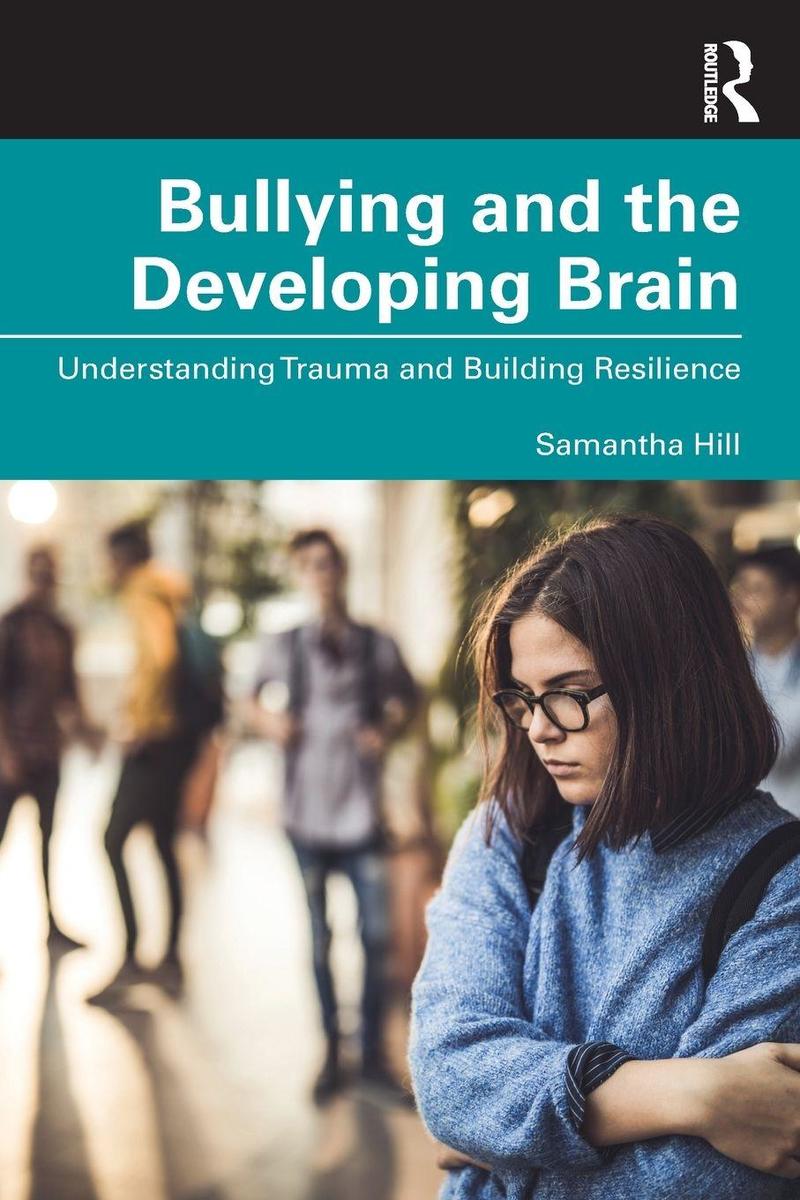
This groundbreaking book shows how sustained bullying can affect children's developing brains and emotional wellbeing. Mental health educator Samantha Hill combines cutting-edge neuroscience with real-life stories to reveal bullying as a group-based social process - not just an individual incident. She translates complex research into practical guidance that addresses both individual children's needs and the peer cultures that allow bullying to persist.
The book provides clear, evidence-based strategies for recognising stress responses in children and supporting their recovery. With role-specific guidance
for parents, educators and healthcare professionals, plus real-world case studies, Hill bridges neuroscience and everyday practice, while emphasising the brain's remarkable capacity to heal when children receive proper support.
Whether you're a parent noticing changes in your child, a teacher concerned about a quiet student, or a healthcare professional seeking to understand anxiety and school refusal, this book gives you the tools to respond effectively and help children recover their confidence and voice. It is essential reading for anyone committed to understanding and healing the impact of childhood bullying.
Inhaltsverzeichnis
Introduction: Why Bullying Is a Public Health Concern. Part I: The Neuroscience of Bullying. Chapter 1: Rethinking Bullying: More Than an Argument Between Children. Chapter 2: The Brain Under Stress. Chapter 3: How Bullying Affects the Brain. Part II: Helping Children to Heal (or Recovery and Healing). Chapter 4: The Road to Recovery. Chapter 5: For Parents: Recognising and Responding to Bullying. Part III: Changing the System. Chapter 6: What Teachers Can Do to Prevent and Heal the Impact of Bullying. Chapter 7: Recovery, Clinical Formulation, and Long-Term Outcomes. Chapter 8: Taking Action: Advice for Policymakers and Professionals. Chapter 9: When the Wounds Do Not Fade: Supporting Adult Survivors of Childhood Bullying. Conclusion: A Call to Action.