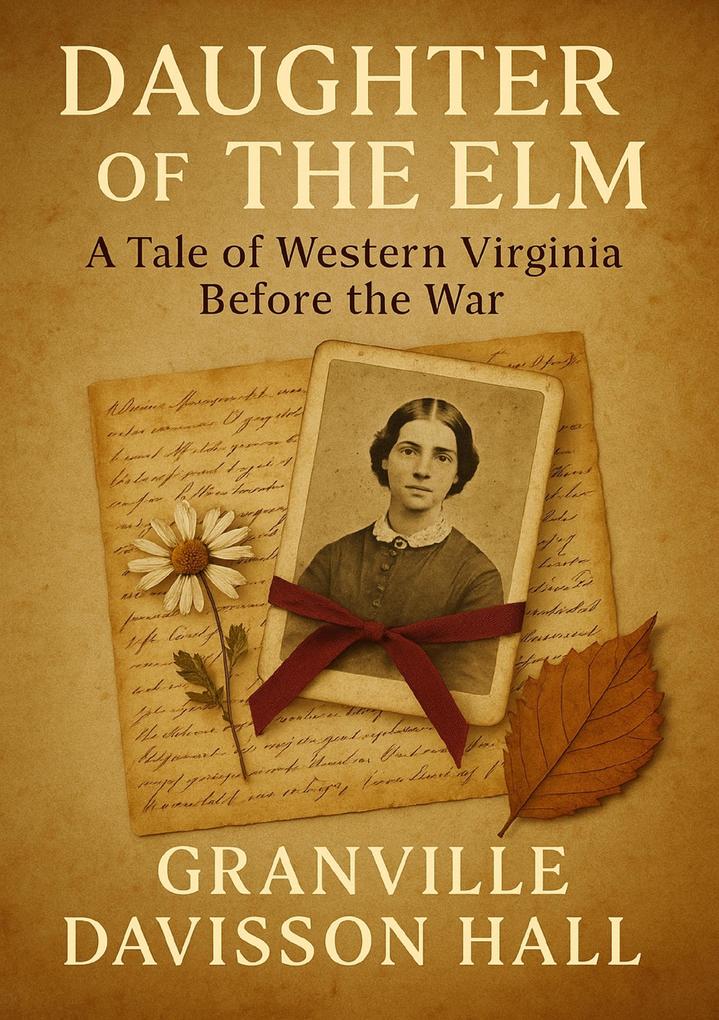
Granville Davisson Hall's Daughter of the Elm is a stirring romantic novel set in the foothills and valleys of western Virginia in the years just before the American Civil War. Written with a nostalgic reverence for the region's natural beauty and cultural texture, the novel combines love, honor, and social tension in a landscape on the brink of transformation. The titular character, a strong and virtuous young woman named Elmira, becomes the emotional and moral center of a story that explores the divided loyalties, economic anxieties, and ideological currents running through Appalachian society in the antebellum era. Hall, a journalist and historian by trade, enriches the novel with finely drawn scenes of frontier life-church socials, log cabin hearths, mountain trails, and rural courts-offering readers an immersive sense of time and place. Themes of class, gender, and national identity weave through a narrative that is equal parts romance, regional history, and cultural preservation. While the novel reflects the literary conventions of its time, it also carries a subtle critique of the forces pulling the nation-and this part of Virginia-toward conflict and eventual division. Daughter of the Elm stands as a regional classic and a window into the sentiments and social structures of a borderland community soon to be irrevocably altered by war.