



Das eBook.de Hörbuch Abo - jederzeit, überall, für nur 7,95 € monatlich!
Jetzt entdecken
mehr erfahren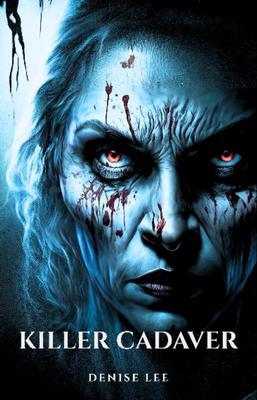
Some gifts should never be given. Some don't need to be alive to keep killing.
On a Tuesday in March, the state of South Carolina executed Jonathan Grimes. For twenty years, he had passed for an ordinary man while he was anything but. The papers called him the Surgical Stalker. When the drugs finally stopped his heart, the people he left behind took what comfort they could: in death, at least, the monster would give something back. His organs were healthy. His paperwork was clean. Within hours, the pieces of him were on their way to six strangers who had waited, some of them for years, just to live.
Emily Gardner had been blind for almost ten years. Grimes's corneas gave her back the light, along with a great deal she never asked to see. Michael Chen, a foreman and a father, took the killer's heart and started waking up in places he didn't remember driving to. Sarah Thompson, a scientist who had beaten leukemia by inches, got his marrow and felt her careful mind sharpen into something that scared her. A schoolteacher who had spent two years on a transplant list finally drew an easy breath with another man's lungs, then caught himself wondering how a throat resists a hand. One by one, they changed. First the nightmares, then the urges, then the hours they couldn't account for. They weren't who they had been, and they knew it, and not one of them could say it out loud. Except in the one room built for saying the things you can't.
Liz Johnson had run trauma support groups for eight years. She had never seen anything like the circle that gathered each week to describe symptoms that matched, far too closely, the appetites of the man whose tissue they carried. Her husband, Detective Tomas Johnson, was living the same nightmare from the other side. Bodies were turning up across the city, staged with the signature of a man he had watched die. His captain wanted a copycat. His evidence pointed to something like a contagion. His gut told him it was worse than either.
Sarah stopped asking who to blame and started asking what, exactly, was happening to them, and whether it could be measured, mapped, and stopped before it finished trading her for someone else. The harder she looked, the clearer it got. The recipients weren't random, and what was happening to them wasn't chance. There was a pattern. There was a center. And the closer she came to naming it, the more dangerous it became to be the one person still paying attention.
What makes it so hard to shake is how human it all stays. These aren't monsters who hunt in the dark. They're a teacher, a father, a scientist, a sick man handed a second chance, each of them fighting something that came in with their own blood, each of them losing a little more ground in the quiet hours when no one is watching. They keep lists. They count their dead. They tell their families they're getting better, sit in a circle of folding chairs every week, and call it healing. And underneath all of it, one question keeps tightening: which of them breaks first, and who will be left to stop the rest?
Killer Cadaver is a slow-burn supernatural thriller for readers who like their dread patient and their monsters close to home. It's a book about grief and hunger, about the stories we tell ourselves to make a horror survivable, and about an evil that doesn't end when the heart stops. Set in the humid hush of a Southern city, it asks one question you won't want to answer: if the worst man who ever lived could be given a second life inside good people, how long before the good people lose?
Es wurden noch keine Bewertungen abgegeben. Schreiben Sie die erste Bewertung zu "Killer Cadaver" und helfen Sie damit anderen bei der Kaufentscheidung.