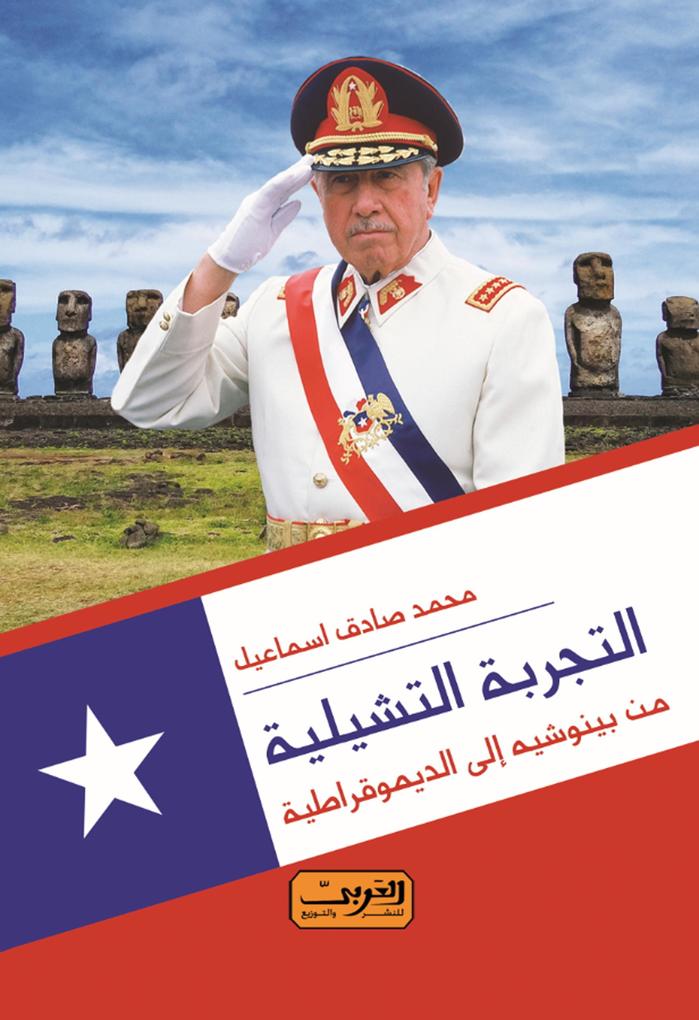
Chile is a narrow, elongated country located on the west coast of South America. It is ten times as long as it is wide, stretching 4, 265 km from Peru in the north to the southern tip of the continent. Three South American republics are smaller than Chile: Ecuador, Paraguay, and Uruguay. Its name is likely derived from the indigenous word "chile," meaning "the extent of the land."
Salvador Allende González, who had pledged to transform Chile into a socialist state, was elected president in 1970. He became the first democratically elected Marxist president of a country in the Western Hemisphere. However, on September 11, 1973, military leaders overthrew the government and established a junta, headed by General Pinochet Ugarte, to rule Chile. Thousands of Chileans died in the fighting between supporters and opponents of the military junta, which led the junta to imprison many of its opponents. The legislature was dissolved, press freedom was restricted, and political parties were banned.
Pinochet remained Chief of Staff of the Armed Forces until March 1998, when he became a senator. He was arrested in the United Kingdom in October 1998 on an international warrant for his alleged crimes against humanity. Pinochet faced a barrage of military charges in Chile until his arrest in London in 1998, following an extradition request from Spain. Efforts to bring him to trial were thwarted before his death in December 2006. Having consolidated power as head of the military junta, he dissolved parliament and banned all parties affiliated with the Popular Unity coalition. Without any democratic process, the members of the military junta elected General Augusto Pinochet as President of Chile on December 17, 1974.
It is important to emphasize that in presenting these democratic experiences, our primary objective is to shed light on the mechanisms of democratic transition, how it occurs, and the resulting radical changes in all aspects of state life. We aim to achieve a successful outcome and draw lessons that we may find applicable to our own societies.