









Das eBook.de Hörbuch Abo - jederzeit, überall, für nur 7,95 € monatlich!
Jetzt entdecken
mehr erfahren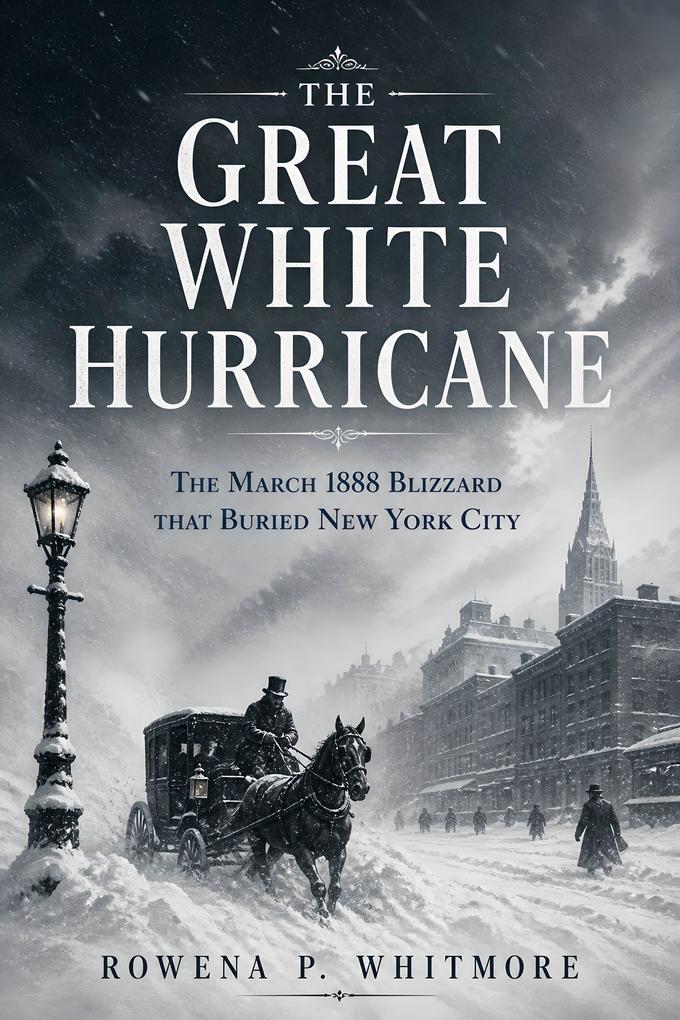
On Sunday, March 11, 1888, New York stepped into the day expecting slush and inconvenience. Within hours, rain turned to knives of ice, streets vanished under blinding snow, trains stalled, ferries stopped, and the proudest city in America lost its bearings. The blizzard that followed would bury New York and the Northeast, kill hundreds, and leave survivors asking a terrifying question: how could a modern city be brought so completely to its knees?
The Great White Hurricane tells that story at street level and at full force. As the wind rises and the wires come down, commuters are trapped far from home, whole neighborhoods are cut off, and the telegraph lines that knit the region together fall silent. In the days after the storm, the snow gives back the lost, the dead are counted, and grief turns into anger. Out of wrecked rail lines, shattered poles, and public outrage comes an unexpected consequence: the political will to send the city's future underground.
Vivid, scrupulously grounded, and driven by real people facing impossible conditions, this is narrative history with the speed of a disaster thriller and the weight of a civic reckoning. More than a story of weather, it is a story about infrastructure, fragility, and the price of mistaking speed for safety. Once you enter this storm, you won't forget what it revealed.
Es wurden noch keine Bewertungen abgegeben. Schreiben Sie die erste Bewertung zu "The Great White Hurricane" und helfen Sie damit anderen bei der Kaufentscheidung.