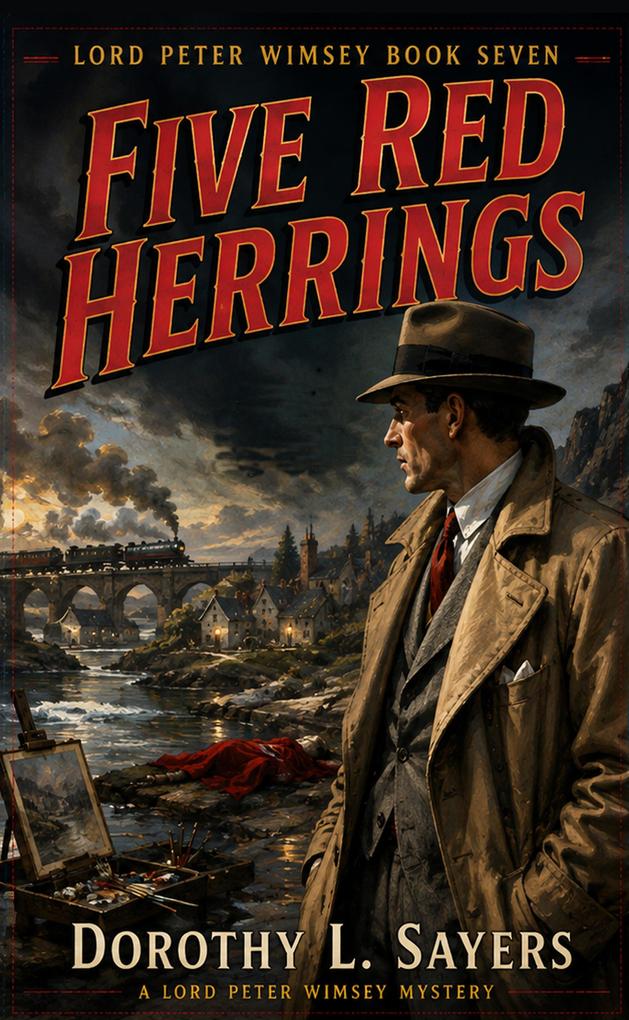
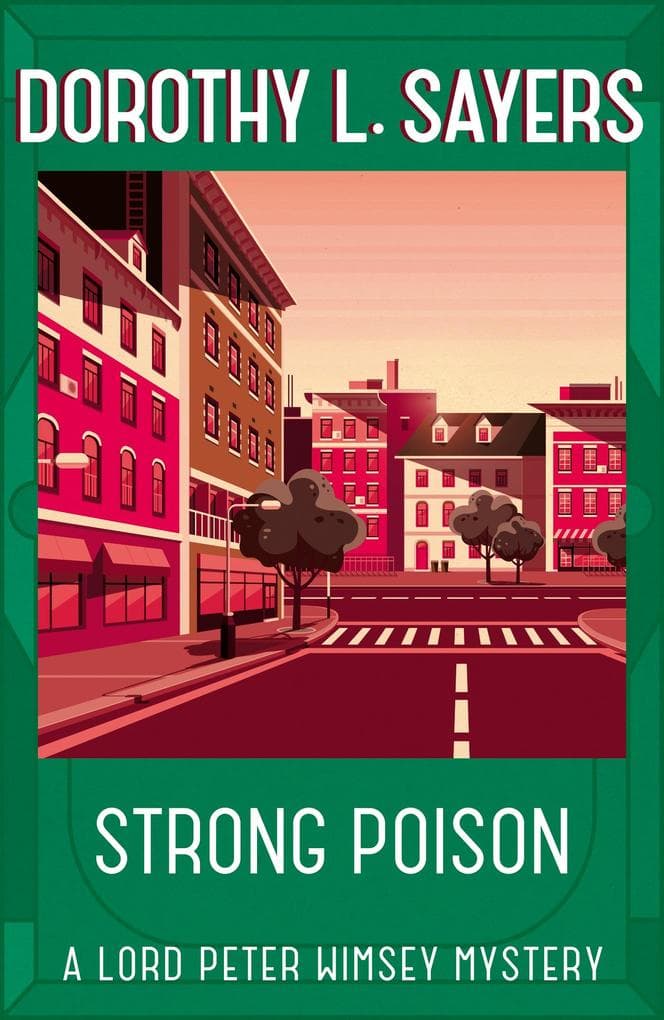
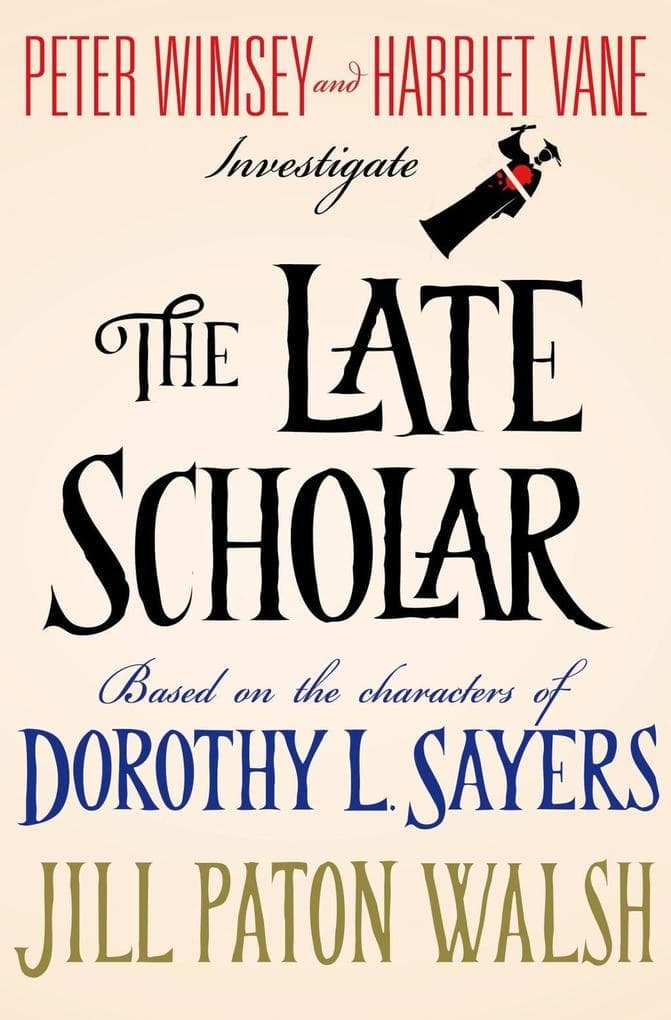
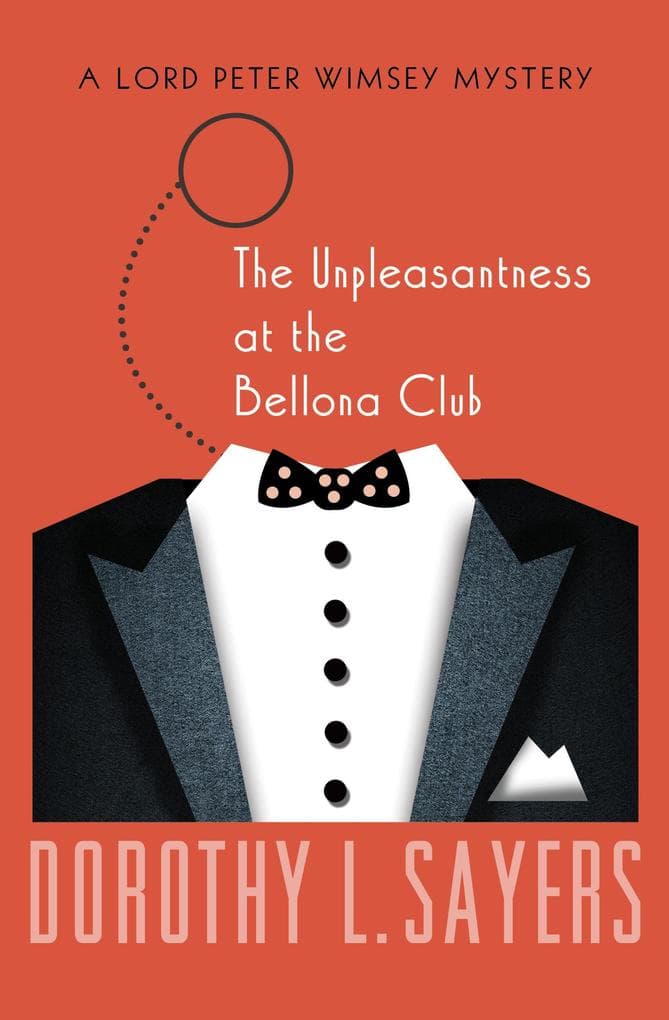
Dorothy L. Sayers (1893-1957) was one of the defining writers of the Golden Age of British detective fiction. Born in Oxford and educated at Somerville College, Oxford, she worked as a teacher, publisher's reader, and advertising copywriter before establishing herself as a novelist. Her most famous creation, the aristocratic amateur detective Lord Peter Wimsey, first appeared in Whose Body? and developed across a series of increasingly sophisticated mysteries combining intricate plots with social observation, wit, and psychological insight.
Sayers was a founding member of the Detection Club and belonged to the same remarkable generation of crime writers as Agatha Christie, G. K. Chesterton, Anthony Berkeley, and Freeman Wills Crofts. Her Wimsey novels include Clouds of Witness, Unnatural Death, The Unpleasantness at the Bellona Club, Strong Poison, Have His Carcase, Murder Must Advertise, and Gaudy Night. As the series progressed, Sayers increasingly used detective fiction to examine class, morality, responsibility, work, love, and the changing social world of interwar Britain.
Later in her career Sayers turned much of her attention to theology, drama, criticism, and translation. Her radio plays about the life of Christ, collected as The Man Born to Be King, attracted both controversy and acclaim, while her translation of Dante's Divine Comedy became one of her most ambitious literary projects. Her combination of intellectual rigor, characterization, and formal ingenuity has secured her place as one of the most important crime writers of the twentieth century.