The most important elements that constitute the strategic importance of Russia's geographical location can be summarized as follows: it has always been and remains part of the "heartland," and whoever controls it controls the world.
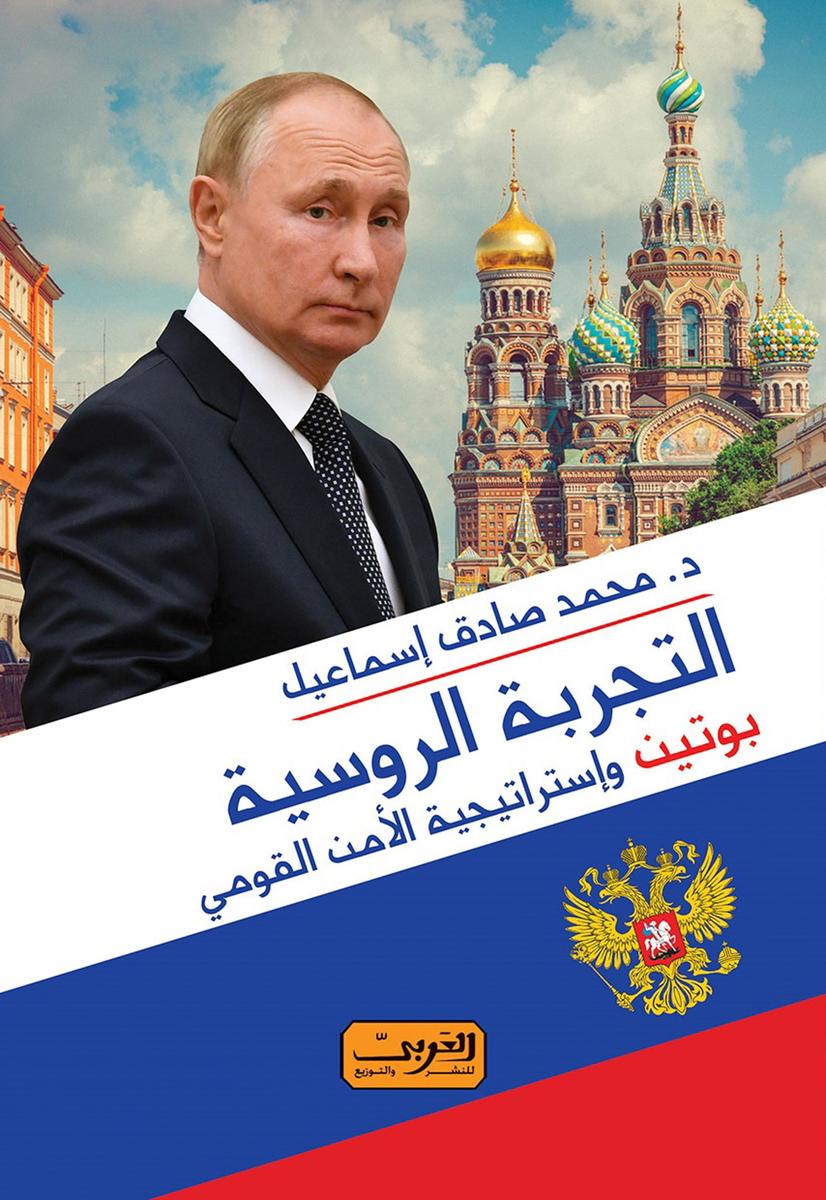
Following Russia's unparalleled leadership of what were formerly known as the Soviet Union, the Central Asian states themselves began demanding that Russia play a guarantor role in their security. This was due to their inability to counter the rise of fundamentalist movements in Central Asia and the use of violence by these movements, which threatened Russian national security and territorial integrity. Consequently, Russia's military intervention to maintain stability in several Commonwealth countries stemmed from the premise that Russia has a special responsibility for preserving peace and stability in the former Soviet Union. If Russia fails to fulfill this role, the resulting vacuum could be filled by another country that is not necessarily friendly to Russia, but could be a rival or a source of threat. The importance of Central Asia to Russia is further underscored by the presence of over 25 million Russians in these republics, representing a significant percentage of the population. It is in Russia's interest to defend the interests of these Russians in their regions of residence in order to stem migration, as the cost of absorbing them is rising, especially given Russia's deteriorating economic conditions. On the security front, Russia has begun reintegrating its own security and that of Central Asia into a unified system within the framework of the Collective Security Treaty Organization (CSTO). Looking at the role of the Russian political leadership in this context, we find that President Putin played a prominent role in Russia's rise. During his first term, the Russian economy grew for eight consecutive years, and the GDP, measured by purchasing power parity, increased.
The story seems promising, but Russia's entry into the war with Ukraine has brought economic sanctions back to the forefront, along with talk of the need for President Vladimir Putin himself to step down. This raises questions about Putin's future, as well as the future of Russia, in light of global rejection of his policies toward neighboring countries. Nevertheless, Putin's hopes for Russia to become the dominant international power in the third millennium persist. Only time will tell what the future holds for Putin and the Russian Federation.