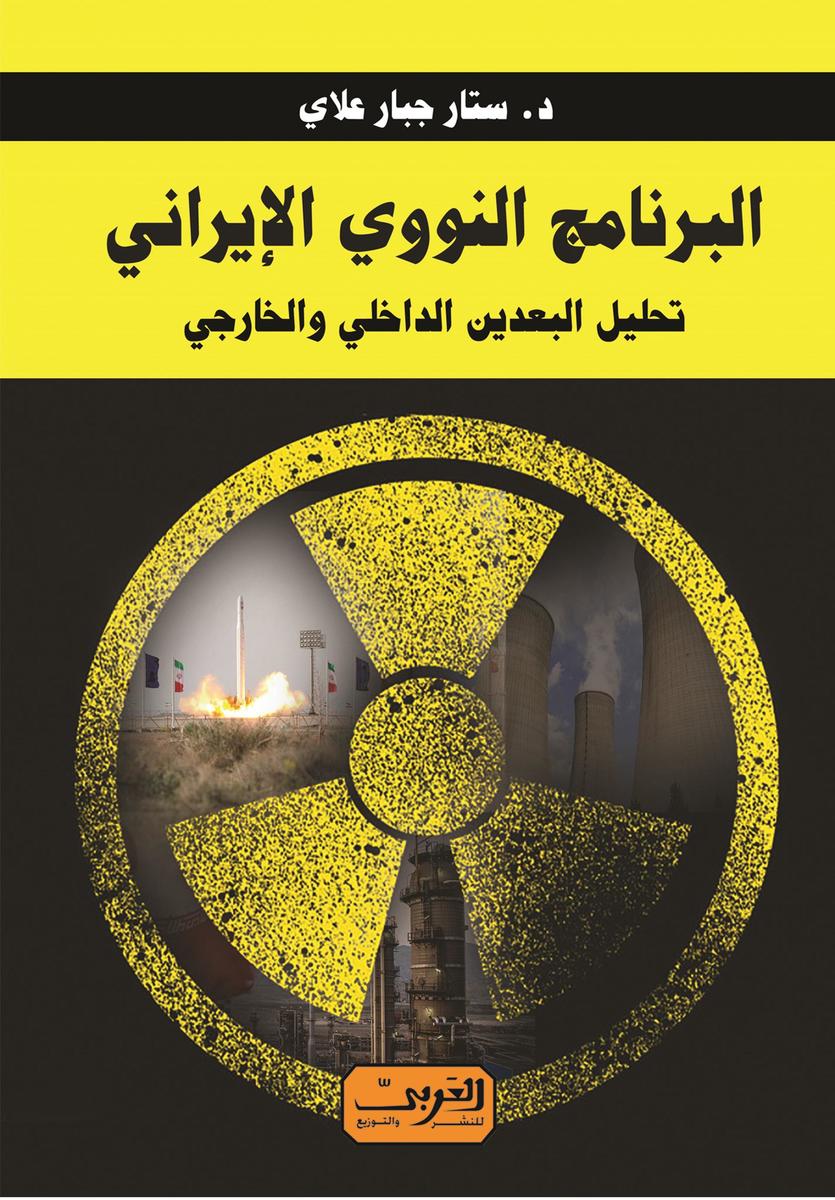
The Iranian nuclear program is one of the most complex and intricate nuclear proliferation issues today, raising numerous dimensions that begin with the true nature of Iran's nuclear intentions and the ambiguity that has characterized its policy in this area from the outset. Accusations against the Iranian nuclear program vary. American and Western indicators point to non-peaceful Iranian nuclear activities, without any evidence to support this view. Conversely, Iran maintains that the program is peaceful and for scientific purposes, aiming to generate electricity to meet Iran's needs. The debate continues in political and academic circles, and its developments reveal different paths and directions upon analysis. The nuclear issue today is, above all, a matter of existence and ambition. Iran concluded a nuclear agreement with the major Western powers, allowing for monitoring of the program and its continuation in a peaceful form, thereby enabling it to escape various international sanctions. However, this agreement was quickly revoked by the United States, which then began rapidly escalating tensions with Iran, reigniting the debate about the nature and future of the Iranian nuclear program.