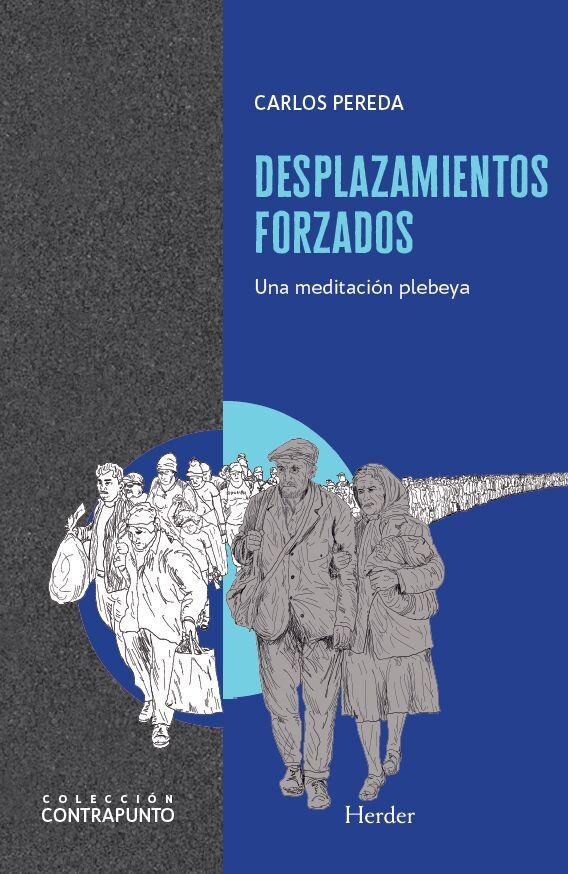
Migration, identity, and memory: what remains when everything changes. Since ancient times, the displacement of desperate people -- driven by political, economic, or religious oppression -- has constituted a phenomenon that is as disruptive as it is unavoidable. In this book, Carlos Pereda examines, on the one hand, the exile of Spanish Republicans in Mexico, focusing on how José Gaos, María Zambrano, and Adolfo Sánchez Vázquez conceptualized that experience. On the other hand, he provides a detailed analysis of Mexican migration to the United States during the twentieth and twenty-first centuries. To do so, he draws upon cultural expressions that reveal the human dimension of migration -- such as border *corridos* and Chicano poetry -- which give voice to fears, conflicts, and hopes that historical records fail to capture. In this way, the author offers a more nuanced perspective on borders, emphasizing that forced migration is driven by historical processes and power structures. Acknowledging these causes is essential to avoid reducing normative arguments about migration to mere speculation or the simple reaffirmation of an unjust and cruel status quo.