






Das eBook.de Hörbuch Abo - jederzeit, überall, für nur 7,95 € monatlich!
Jetzt entdecken
mehr erfahren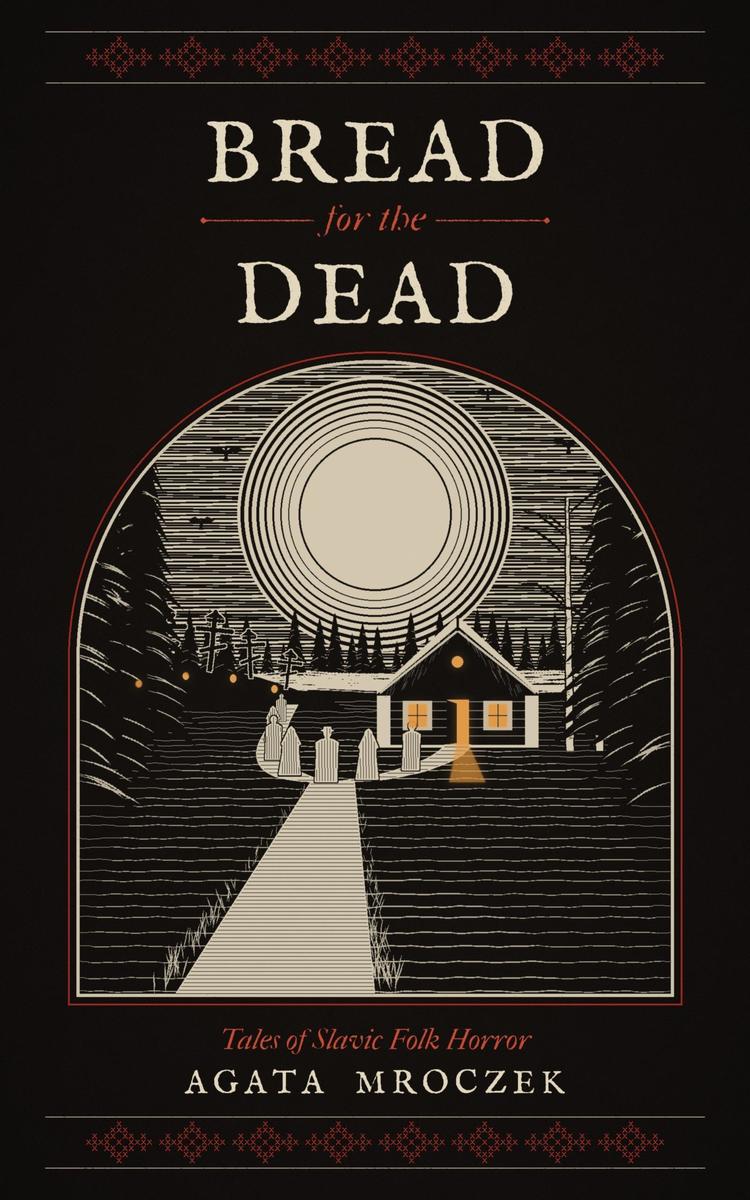
Leave the door on the latch. Leave the bread on the table. And whatever you hear in the night, do not look.
On a river island in the year 1259, a girl born with two hearts is laid in the ground with a stone in her mouth. In the Galician rye at noon, an old woman with a sickle across her knees tells a young song collector a story about the harvest, and then she asks him a question. A wedding in the Lublin hills ends with the guests running for the forest on four legs. A widow on the Narew learns what the old ferryman keeps under his clay pots.
Eight stories, eight centuries, and a country that never quite stopped setting a place for its dead. From the partisan forests of 1944 to a frozen state farm under communism, from a Kupala night in the fir woods to a care home in Dublin, the old beings are still here: the strzyga, the noon wraith, the drowner, the lord of the forest, the nightmare who must come back for salt. They are patient. They keep accounts.
And in every one of these stories, the most dangerous guest at the table is alive.
Inside:
- Two Hearts: a strzyga and a betrayal, the Vistula, 1259
- The Third Question: the Noon Woman and the peasant uprising of 1846, Galicia, 1884
- The Wolf Wedding: a wedding party turned into a wolf pack, Lublin uplands, 1883-1890
- The Drowner's Pots: a widow, a drowned man and a ferryman on the Narew, 1927
- Turncoat: the leshy and an informer in the Janów forests, 1944 and 2026
- Come for Salt: a zmora on a communist state farm, Warmia, 1978
- When the Fern Blooms: the fern flower and a thirty-year debt, 1989 and 2019
- Bread for the Dead: Forefathers' Eve in Podlasie, and in Dublin, 2026
- plus a short guide to the folklore behind the stories.
For readers of folk horror who like their ghosts rooted in real history and real village belief. For adult readers.
Es wurden noch keine Bewertungen abgegeben. Schreiben Sie die erste Bewertung zu "Bread for the Dead" und helfen Sie damit anderen bei der Kaufentscheidung.