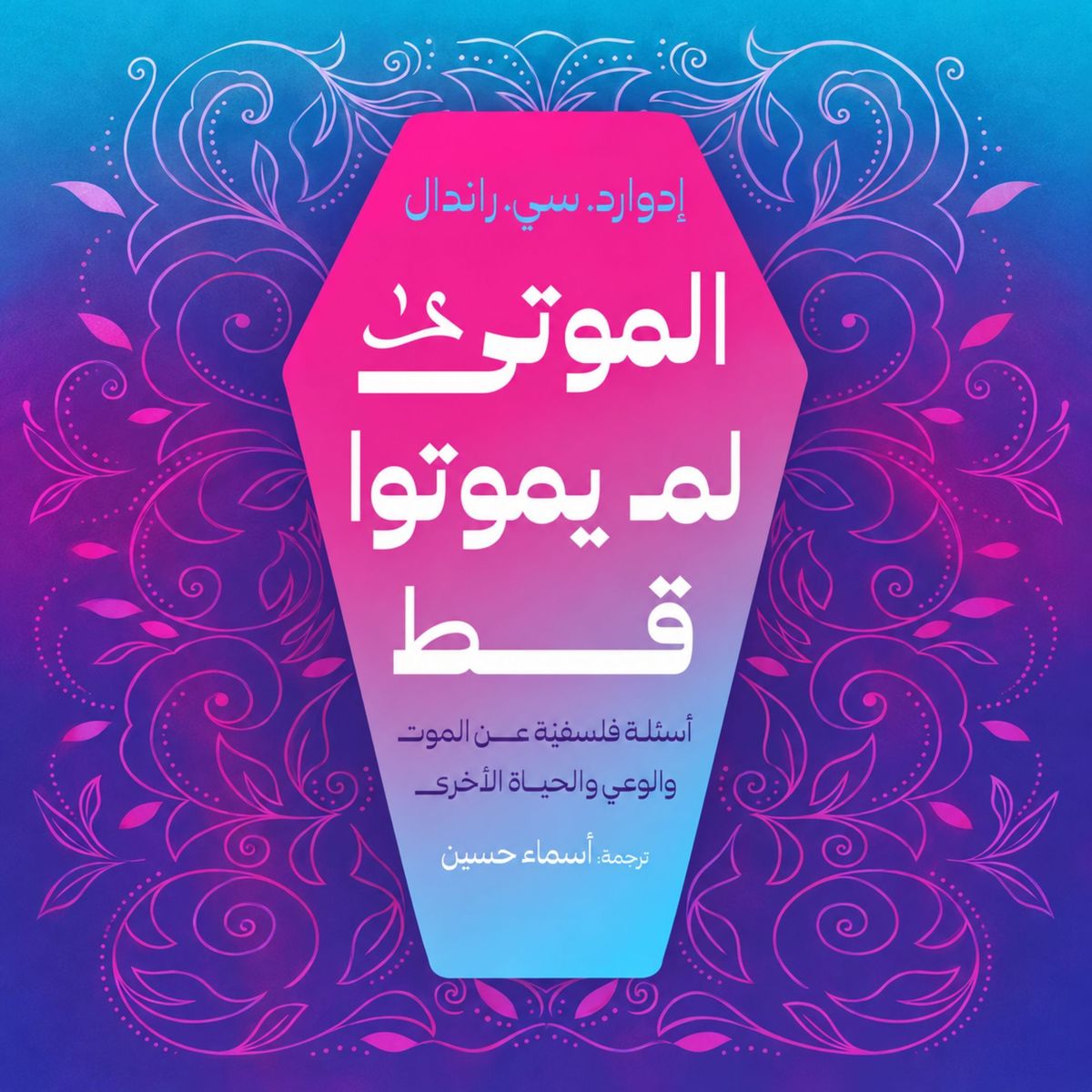
The central idea is that death is not the end of existence as we imagine it, and that questions about memory, the soul, and legacy complicate the relationship between the living and the dead. Edward C. Randle uses an atmosphere of mystery and fantasy to open the door to stories about people who have died but whose influence remains present in the lives of others. Memories, letters, and old places appear as means of bringing the past into the present, while secrets related to death and what people leave behind are gradually revealed. The suspense relies not only on the idea of ghosts but also on the human fear of losing loved ones and the desire to know what happened after their departure. The characters move between doubt and belief, facing events that force them to re-evaluate what they consider possible or impossible. The impact of grief on the perception of reality is also highlighted, as memory can make the absent person intensely present. The narrative provides space for reflection on the meaning of endings and what remains of a person after death, whether it be memories, words, or an impact on the lives of others. The work combines mystery, psychological horror, and existential questions, using death as a gateway to understanding life rather than simply a frightening subject. The story becomes a journey through uncertain areas between reality and imagination, and between what can be explained and what remains unknown.