A New York Times Notable Book
One of the Best Books of the Year
The Washington Post • The Cleveland Plain-Dealer • Rocky Mountain News
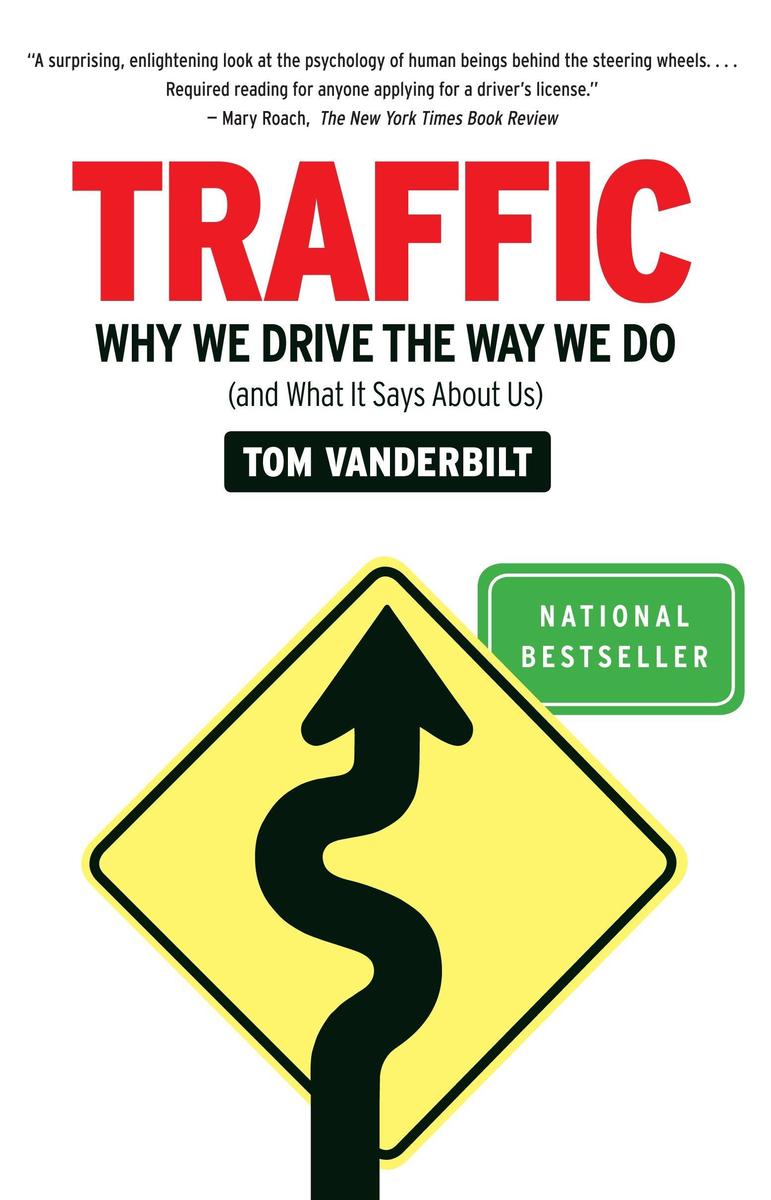
In this brilliant, lively, and eye-opening investigation, Tom Vanderbilt examines the perceptual limits and cognitive underpinnings that make us worse drivers than we think we are. He demonstrates why plans to protect pedestrians from cars often lead to more accidents. He uncovers who is more likely to honk at whom, and why. He explains why traffic jams form, outlines the unintended consequences of our quest for safety, and even identifies the most common mistake drivers make in parking lots. Traffic is about more than driving: it's about human nature. It will change the way we see ourselves and the world around us, and it may even make us better drivers.
Inhaltsverzeichnis
Prologue
Why I Became a Late Merger (and Why You Should Too)
Chapter One
Why Does the Other Lane Always Seem Faster?
How Traffic Messes with Our Heads
Shut Up, I Can’t Hear You: Anonymity, Aggression, and the Problems of Communicating While Driving
Are You Lookin’ at Me? Eye Contact, Stereotypes, and Social Interaction on the Road
Waiting in Line, Waiting in Traffic: Why the Other Lane Always Moves Faster
Postscript: And Now, the Secrets of Late Merging Revealed
Chapter Two
Why You’re Not as Good a Driver as You Think You Are
If Driving Is So Easy, Why Is It So Hard for a Robot? What Teaching Machines to Drive Teaches Us About Driving
How’s My Driving? How the Hell Should I Know? Why Lack of Feedback Fails Us on the Road
Chapter Three
How Our Eyes and Minds Betray Us on the Road
Keep Your Mind on the Road: Why It’s So Hard to Pay Attention in Traffic 74
Objects in Traffic Are More Complicated Than They Appear: How Our Driving Eyes Deceive Us
Chapter Four
Why Ants Don’t Get into Traffic Jams (and Humans Do): On Cooperation as a Cure for Congestion
Meet the World’s Best Commuter: What We Can Learn from Ants, Locusts, and Crickets
Playing God in Los Angeles
When Slower Is Faster, or How the Few Defeat the Many: Traffic Flow and Human Nature
Chapter Five
Why Women Cause More Congestion Than Men (and Other Secrets of Traffic)
Who Are All These People? The Psychology of Commuting
The Parking Problem: Why We Are Inefficient Parkers and How This Causes Congestion
Chapter Six
Why More Roads Lead to More Traffic (and What to Do About It)
The Selfish Commuter
A Few Mickey Mouse Solutions to the Traffic Problem
Chapter Seven
When Dangerous Roads Are Safer
The Highway Conundrum: How Drivers Adapt to the Road They See
The Trouble with Traffic Signs–and How Getting Rid of Them Can Make Things Better for Everyone
Forgiving Roads or Permissive Roads? The Fatal Flaws of Traffic Engineering
Chapter Eight
How Traffic Explains the World: On Driving with a Local Accent
“Good Brakes, Good Horn, Good Luck”: Plunging into the Maelstrom of Delhi Traffic
Why New Yorkers Jaywalk (and Why They Don’t in Copenhagen): Traffic as Culture
Danger: Corruption Ahead– the Secret Indicator of Crazy Traffic
Chapter Nine
Why You Shouldn’t Drive with a Beer-Drinking Divorced Doctor Named Fred on Super Bowl Sunday in a Pickup Truck in Rural Montana: What’s Risky on the Road and Why
Semiconscious Fear: How We Misunderstand the Risks of the Road
Should I Stay or Should I Go? Why Risk on the Road Is So Complicated
The Risks of Safety
Epilogue: Driving Lessons
Acknowledgments
Notes
Index