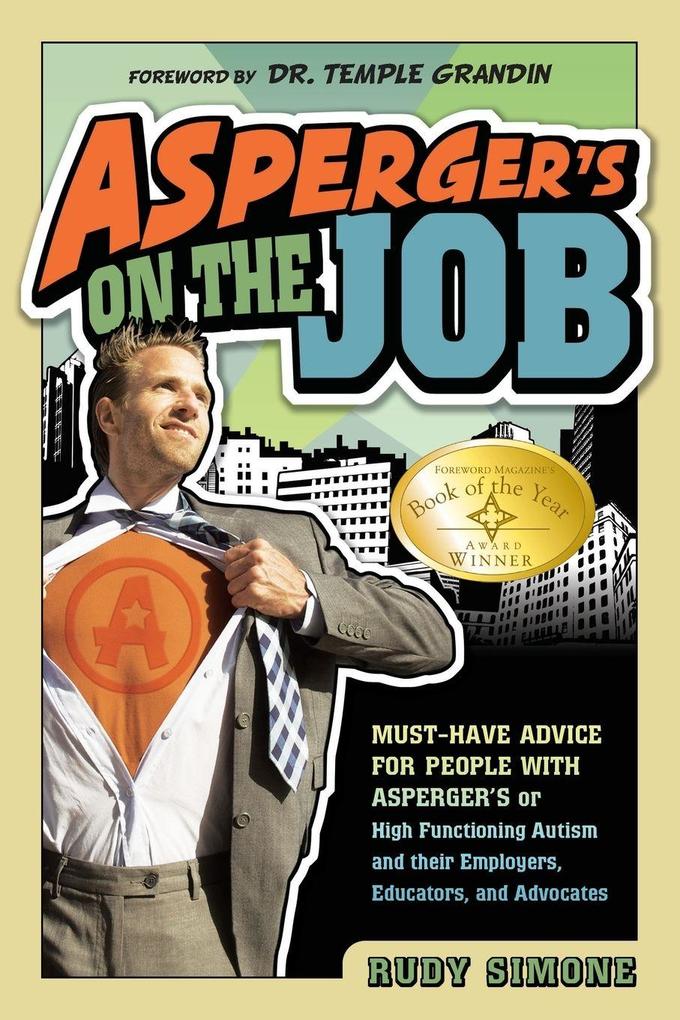
Up to 85% of the Asperger's population are without full-time employment, though many have above-average intelligence. Rudy Simone, an adult with Asperger's Syndrome and an accomplished author, consultant, and musician, created this insightful resource to help employers, educators, and therapists accommodate this growing population, and to help people with Asperger's find and keep gainful employment.
Inhaltsverzeichnis
Introduction Chapter 1. Believe ItAS can be invisible; this can confuse employers and co-workersPeople with AS may be told they don't seem autistic; this is often invalidatingProblems with adult diagnosisWhat the Employee Can DoWhat the Employer Can Do Chapter 2. The Big Consequences of Small TalkSmall talk is difficult and the source of great discomfortNeeding to know the 'unspoken job requirements'The AS view of small talk and its apparent importance over quality of workSocial rituals, humor, hyperlexiaPeople with AS like to work-they aren't there to be popularWhat the Employee Can DoWhat the Employer Can Do Chapter 3. Bluntness, Blunders, Boundaries and Emotional… DetachmentPeople with Asperger's have an irrepressible urge to informBlunders, politics and appropriate topics of conversation at workBeing misunderstood is a constant source of painBeing logical rather than emotional can make an AS person seem coldBeing genuine is extremely important to the person with Asperger'sWhat the Employee Can DoWhat the Employer Can Do Chapter 4. Please Do NOT Fill In The BlankBlank facial expressionTrouble with facial recognitionEye contactBody language (incl. stimming)What the Employee Can DoWhat the Employer Can Do Chapter 5. Quiet PleaseOverstimulation and the need for quietPeople with AS have a 'fight or flight' reaction to social contactGetting confused by noiseThe comorbid condition of post traumatic stress disorderThe Asperger ability to focusPrivate workspaceWhat the Employee Can DoWhat the Employer Can Do Chapter 6. Good Common SenseEnvironmental sensitivity - the canaries in the coal mineVisual overstimulationFluorescent lights v. natural lightFresh air and temperaturesWhat the Employee Can DoWhat the Employer Can Do Chapter 7. Trust me, I have Asperger'sInternal motivation and a diligent, perfectionist attention to detailThe need for clear instructionsDeadlines and flexibility within time frames; flexible hoursScrutiny v. trust impacts performanceTelecommuting as a possible solutionPeople with AS often work long hours and don't need to be watchedWhat the Employee Can DoWhat the Employer Can Do Chapter 8. Perfectionism and that Famous Asperger ArrogancePeople with AS are perfectionistsIntentions often misunderstood (wanting to make it better v. complaining)Ability to perceive problems and what is wrong but not expressing it tactfullyFluid Intelligence v. Crystallized Intelligence (people with AS have higher FI)Feeling underutilized and underappreciatedWhat the Employee Can DoWhat the Employer Can Do Chapter 9. Polyester Prisons, Neck-tie Nooses and High-heeled HellComfort is very important due to sensory issuesCertain work requirements seem impracticalChoosing what to wearAS skin sensitivity and food allergiesWhat the Employee Can DoWhat the Employer Can Do Chapter 10. A Little R&R Goes a Long Way: Ritual and RoutineMaintaining control over a situation is a stress management techniqueLittle changes can cause big stressWithdrawal is one form of controlFinding comfort in routineRigid adherence to ritual or control can be mistaken for stubbornnessWhat the Employee Can DoWhat the Employer Can Do Chapter 11. Don't Tell Them Where You Heard This, But…People with Asperger's often become the subject of gossipDisclosure and/or keeping separate from the crowd doesn't always helpOften familiarity breeds contempt (as 'quirks' come out)The constant struggle to be accepted saps confidence over timeGossip often destroys a person's enjoyment of their jobYoung or old, educated or not, we all gossipFemales often possess a naiveté that is mistaken for flirting or promiscuityGetting along with coworkers is a major hurdleSome get more comfortable over time-acceptance is keyWhat the Employee Can DoWhat the Employer Can Do Chapter 12. The High Cost of Low BehaviorBullies cost employers money: in sick pay, turnover rates, and lost productivityDefinition of workplace bullyingPeople with Asperger's are very likely to be bullied at some point and make easy targetsThe bully is sometimes the bossInadequacies in legal protectionWhat the Employee Can DoWhat the Employer Can Do Chapter 13. The Power of PraiseObvious positive reinforcement is necessary due to AS inability to read subtle cuesMotivate people for the right reasons instead of punishing them for the wrongPositive reinforcement must be done in real time, not after the factWhat people with AS want from their bossWhat the Employee Can DoWhat the Employer Can Do Chapter 14. Working with Natural Strengths and InterestsDon't push someone into a role they are unsuited forSocial weaknesses can be career strengthsAn AS person might excel at just about any solitary activity in which they can control all the elementsJob-sharing or job-pairingMedication controversy: AS is not psychological but neurological, although depression can and does occur as a comorbid symptom of Asperger'sThere is no pill to cure autism and many would not want to be cured of ASThe Personal Job MapWhat the Employee Can DoWhat the Employer Can Do Chapter 15. Psychometric Testing and the New SegregationPeople with AS are non-conformistThe rise of the Personality Test (PT)The controversy over PTs / unfair to autisticsExamples from a PTThe AS perspective of a PTThe role of the maverick or eccentric in the workplaceYou can prepare for the PTWhat the Employee Can DoWhat the Employer Can Do Chapter 16. Asperger's and Education: Star-crossed Lovers?Despite high intelligence, love of learning, many have difficulty finishing school or getting a degreeUniversities lack awareness and resourcesAS employee may have abilities and intelligence greater than their education would indicateLower level jobs often require people skillsSwitching jobs and careers several times is not unusualA degree is no guarantee if workplace concerns are not addressed and needs metWhat the Employee Can DoWhat the Employer Can Do Chapter 17. To Tell or Not to Tell, That IS the QuestionDisclosure Pros and ConsAS perspectiveDiscrimination and protectionWhat the Employee Can DoWhat the Employer Can Do Chapter 18. Bye Bye Black Sheep - Avoiding the Asperger Pre-emptive StrikeAvoiding the preemptive strike of 'quit before you fail'Warning signsReasons for early self-termination of employment (recap of issues)Lack of meaning in life and feeling suicidalRe-cap of all key advice and strategies for AS person Chapter 19. REACH to SucceedExplanation of acronymThe AS person can't expect the whole world to change around themUse the gifts of Asperger's to succeedSummary of the main points of the book Appendix A: Interview Tips for those with AS Appendix B: DSM-IV-TR Criteria for Asperger's Syndrome References Resources