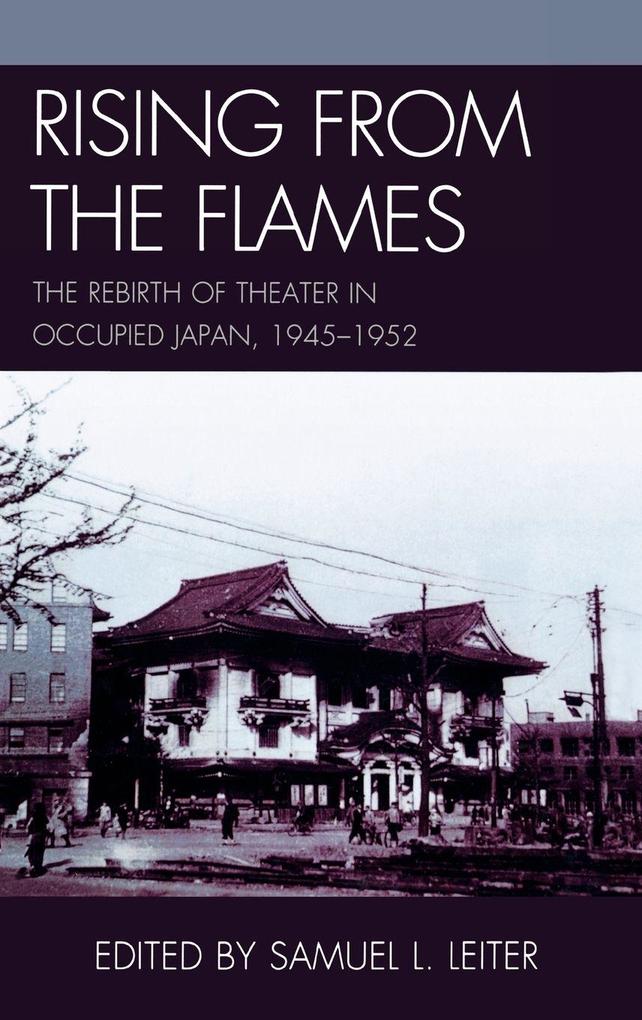
This is the first book to describe the way in which the traditional and modern forms of Japanese theater responded to Japan's defeat in World War II. It includes sixteen essays by thirteen specialists demonstrating the triumphs and tribulations of Japanese theater during the Allied Occupation, 1945-1952.
Inhaltsverzeichnis
Chapter 1 Introduction
Part 2 Part 1: Kabuki
Chapter 3 Chapter 1. From Bombs to Booms: When the Occupation Met Kabuki
Chapter 4 Chapter 2. Playing for the Majors and the Minors: Ichikawa Girls' Kabuki on the Postwar Stage
Chapter 5 Chapter 3. The Good Censors: Evading the Threat to Postwar Kabuki
Chapter 6 Chapter 4. The Mitsukoshi Gekij?: The Little Theater That Could
Chapter 7 Chapter 5. Performing the Emperor's New Clothes: The Mikado, The Tale of Genji, and Lèse Majesté on the Japanese Stage
Part 8 Part 2: Other Traditional Theaters
Chapter 9 Chapter 6. No and Kyogen during the Occupation
Chapter 10 Chapter 7. Mitsuwa-kai versus Shochiku: Occupation Reforms and the Unionization of Bunraku
Chapter 11 Chapter 8. Surviving and Succeeding: The Yuki-za Marionette Theater Company
Chapter 12 Chapter 9. Laughter after Wars: Rakugo during the Occupation
Part 13 Part 3: Modern Theater
Chapter 14 Chapter 10. SCAP'S "Problem Child": American Aesthetics, the Shingeki Stage, and the Occupation of Japan
Chapter 15 Chapter 11. From War Responsibility to the Red Purge: Politics, Shingeki, and the Case of Kubo Sakae
Chapter 16 Chapter 12. A Fabulous Fake: Folklore and the Search for National Identity in Kinoshita Junji's Twilight Crane
Chapter 17 Chapter 13. To the Rhythm of Jazz: Enoken's Postwar Musical Comedies
Part 18 Appendix A. A Note on Kabuki Censorship: An Interview withJames R. Brandon
Part 19 Appendix B. A Note on Kansai Kabuki
Part 20 Appendix C. A Note on Takarazuka