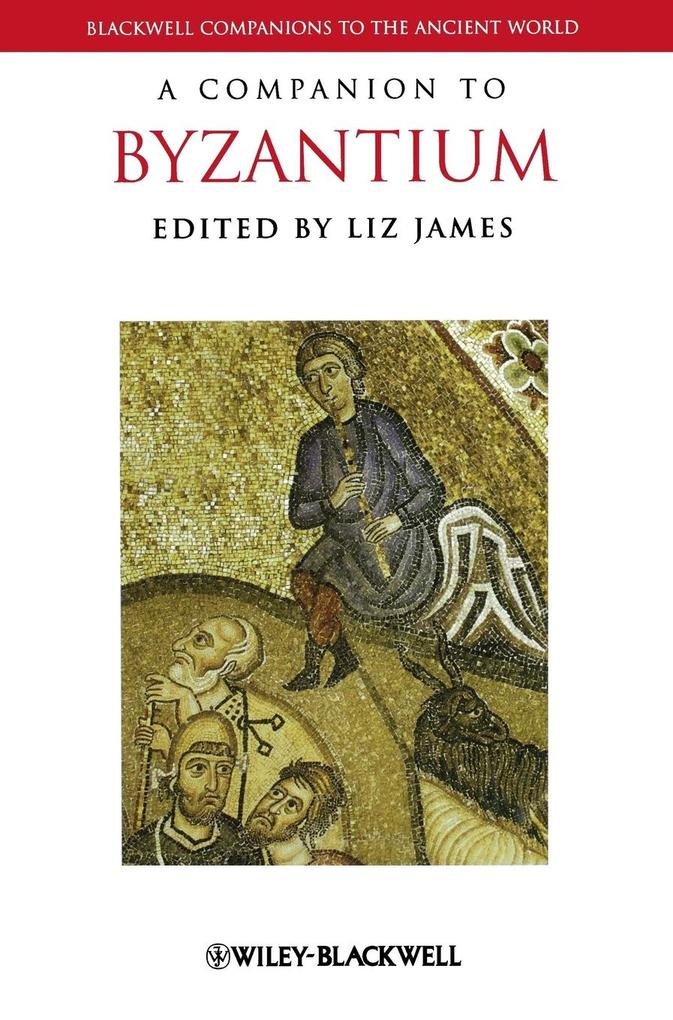
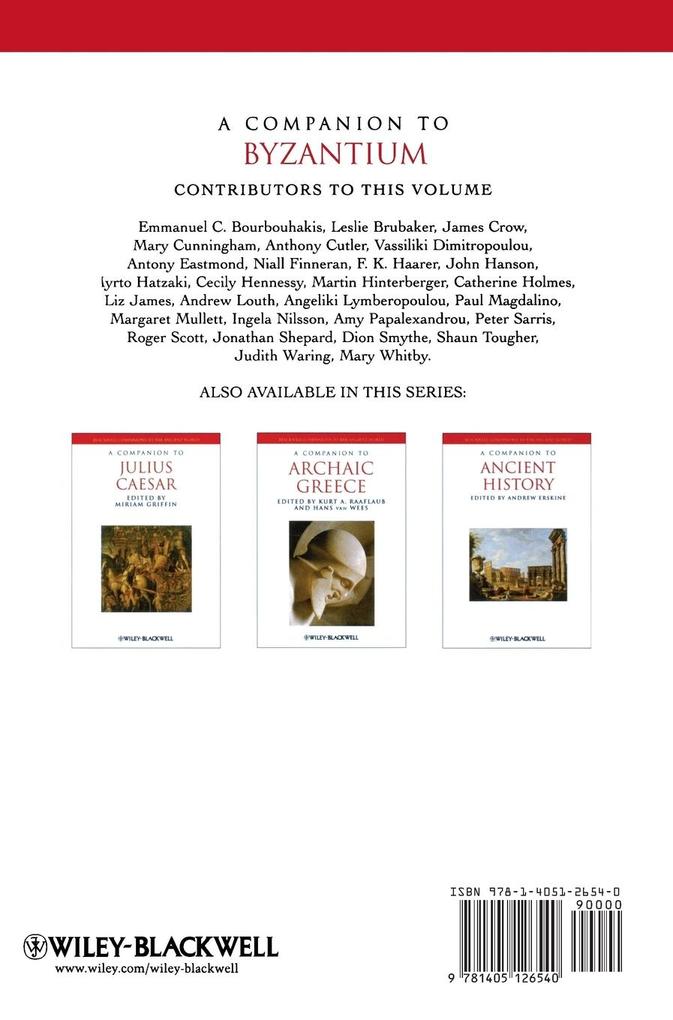
"If someday A Companion to a Companion to Byzantium is assembled, perhaps at last the histories, cultures, and experiences of Greeksand non-Greeks within the commonwealth, on both sides of theimperial border, will be combined into an integrated vision of thisdiverse yet interconnected world. Diversity and all the cooperationand tension which accompanied it are, after all, essential andinescapable dimensions of what it meant to be "Byzantine."(Bmcreview, 5 March 2011)
"The bibliography is impressive. The list of primarysources, with editions, is particularly useful. The secondarysources include items published as recently as 2010. Summingup: Highly recommended. All research collections."( CHOICE , January 2011)"The collection ends with a 71-pagebibliography. I note that this and other front and end matter(including a full list of contents, and a handy list of Byzantinerulers and key dates) is available currently as free content at Wiley Online Library . A subscription to this service appears toprovide access to all chapters as PDF files, which would be ofgreat benefit to those wishing to use the collection in teaching."( International History Review, January 2011)
"Written by an impressive group of scholars, the 27 chapters ofthis companion offer their musings on the state of research in thefields considered, divided into sections on "being Byzantine," Godand the world, texts, and material culture. The purpose of thechapters is not to describe the subject, but to describe its studyand the current understanding and questions being brought byscholars. The result is a fascinating introduction to the topicsand questions of interest in a broad field that will be of interestto the specialized reader as well as the student. Individualchapter topics include the relationship of the provinces toConstantinople, young people, the non-Chalcedonian churches, rhetoric, book culture, archaeology, and the Macedonianrenaissance." ( Book News Inc , November 2010)