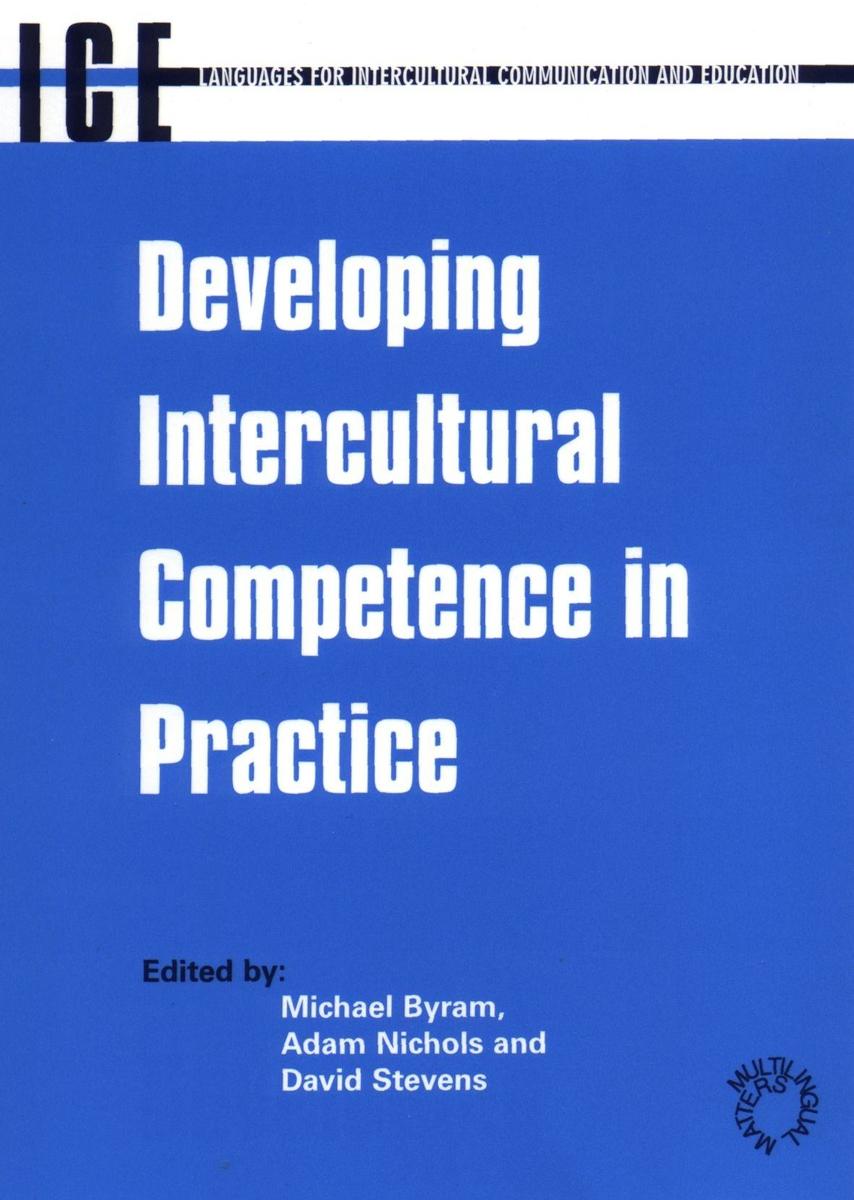
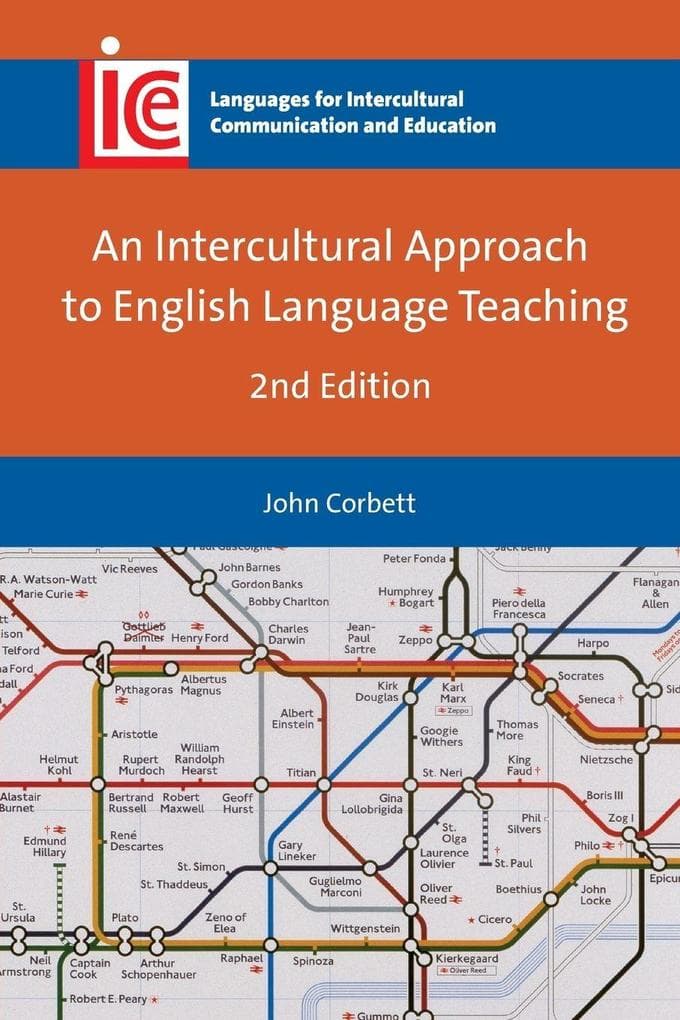
It is now widely recognised that learning a language should not just involve linguistic competence but also intercultural competence. It is also clear that intercultural competence can be developed through related subjects such as geography, history, mother tongue teaching. This book takes this as a given and provides practical help for teachers who wish to help their learners acquire intercultural competence in the ordinary classroom. It contains descriptions of lessons and materials from a wide range of classrooms in several countries and for beginners to advanced learners.
Inhaltsverzeichnis
Part I In the classroom: beginners: the intercultural partnership project - Carol Morgan (England); intermediate: teaching intercultural competence through literature - Eva Burwitz-Melzer (Germany); "Up the Hills of Identity" - Eva Tarasheva and Leah Davcheva (Bulgaria); advanced: visual codes and modes of presentation of TV news broadcasts - Maria Metodieva Genova (Bulgaria); an approach to implementing a cultural studies syllabus - Iskra Georgieva (Bulgaria); "Family Life" and "Regional Identity" - comparative studies while learning French - Sylvia Duffy and Janet Mayes (England); trainee teachers: "It must be cultural because I don't do it" - cultural awareness in initial TESOL teacher education - Mary Williams (England). Part II Beyond the classroom: using new technologies: virtual intercultural competence - a programme for Japanese elementary school students - Lynne Parmenter and Yuichi Tomita (Japan); students as virtual ethnographers - exploring the language/culture connection - Sheila Carel (USA); working in tandem - an Anglo-French project -Clare Dodd (England); new tools for old tricks - information and communication technology in teaching British cultural studies - Paul Whittaker (Czech Republic); in the field: tandem learning as an intercultural activity - Jane Woodin (England); "Why do Danes put their elderly in homes?" - working outside the classroom with adult second language learners - Judith Parsons and Peter Junge (Denmark). Part III Developing resources: cultural understanding in Danish schools - Leon Aktor and Karen Risager (Denmark); "I thought my teacher fancied me" - Tanya Madjarova, Magdalena Botsmanova and Tanya Stamatova (Bulgaria); British and Bulgarian Christmas cards - a student research project - Krassimira Topuzova (Bulgaria); study of landscapes as an approach to openness to others - Fran oise Vigneron (France).