








Das eBook.de Hörbuch Abo - jederzeit, überall, für nur 7,95 € monatlich!
Jetzt entdecken
mehr erfahren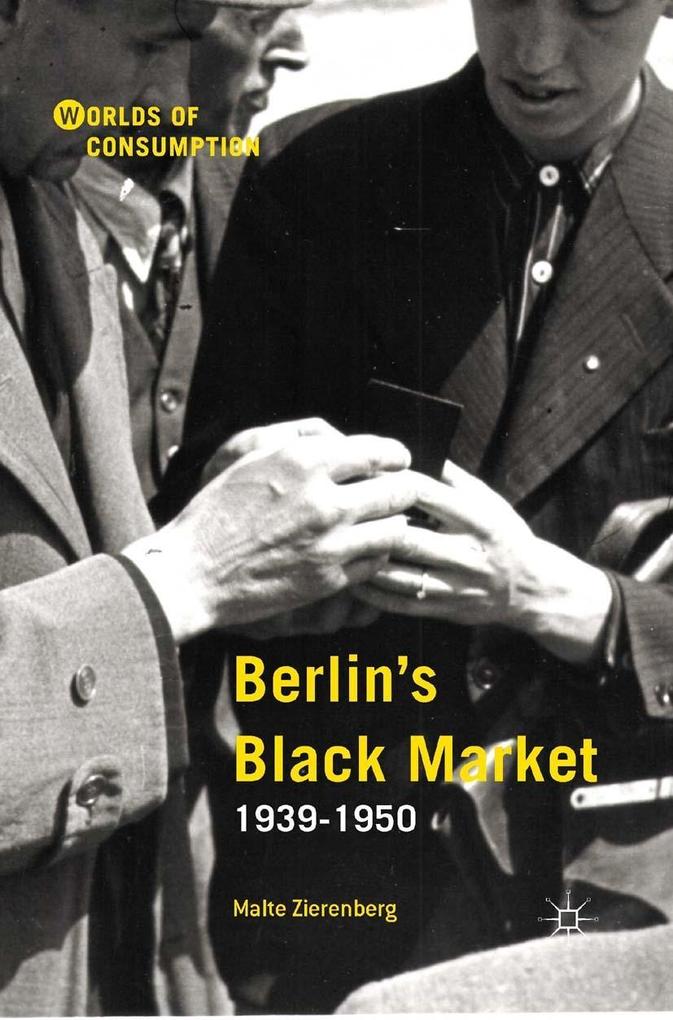
Inhaltsverzeichnis
1. Prologues
2. The Wartime Networks: The Martha Rebbien Case
3. Destruction, Disorientation and New Patterns of Order: Changes in the Black Market Landscape during the Transition from War to Postwar
4. Black Markets from the End of the War to the Currency Reform
5. Stories of a New Beginning: The Economy of the Streets between the Currency Reform and the ' Economic Miracle'
Conclusion: Black Market Trading as a Radical Experience of a Free Market
This fascinating book responds to a strange paradox in the history of Germany after 1945. Zierenberg s book gives readers a rich cultural and social as well as economic history of Berlin s black markets. the publishers clearly made the right decision when they decided to have Zierenberg s book translated into English thus making it available to a wider audience of English-speaking readers. I think they will find this book as fascinating and thought provoking as I did. (David F. Crew, Journal of Modern History, Vol. 89 (4), December, 2017)
Central Europeanists with a focus on urban history, the history of everyday life, and the culture of consumption in Berlin during the first half of the twentieth century will read Malte Zierenberg s recent monograph with keen interest and appreciation. Berlin s Black Market offers a fresh perspective on Berliners experiences through several transitional periods with an emphasis on the micro-level economy and the culture of consumption. The book s sophisticated methodological approach is to be applauded. (Matthew Berg, H-German, H-Net Reviews, h-net. org, November, 2016)
Es wurden noch keine Bewertungen abgegeben. Schreiben Sie die erste Bewertung zu "Berlin's Black Market" und helfen Sie damit anderen bei der Kaufentscheidung.