








Das eBook.de Hörbuch Abo - jederzeit, überall, für nur 7,95 € monatlich!
Jetzt entdecken
mehr erfahren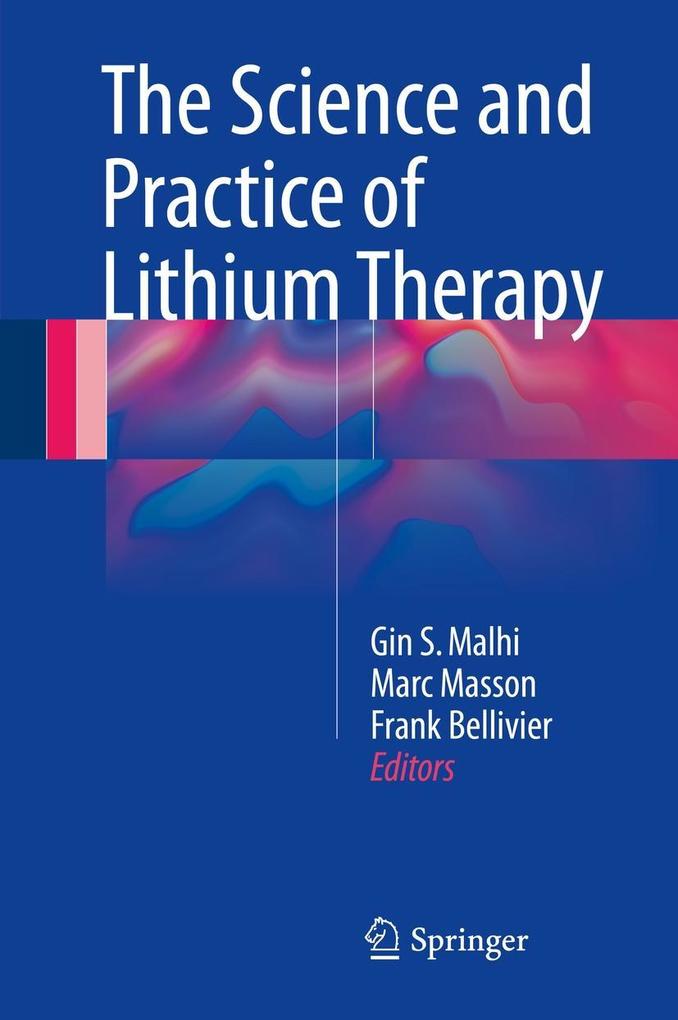
This book provides a clear and comprehensive guide to the clinical prescription of lithium that draws upon evidence-based knowledge of its mechanisms of action. The book is divided into two parts, on the science of lithium and the practice of lithium therapy. The former covers aspects such as the properties of the lithium ion, pharmacokinetics and pharmacodynamics, impact on neurotransmission, and gene expression modulation. The section on practice includes discussion of variability in response to lithium, use of lithium in the treatment of bipolar disorders, its value in suicide prevention, administration during pregnancy and in the pediatric age group, and side effects. Lithium is arguably the only true mood stabilizer, and its multifaceted effects across many clinical domains have given rise to a resurgence of interest in recent years, fuelled by both researchers and clinicians. Nevertheless, its use remains constrained by exaggerated concerns about potential side-effects. In reality, lithium is a simple molecule that is relatively straightforward to administer and monitor and has potentially profound benefits at a fraction of the cost of contemporary agents. This book dispels the many myths and concerns that surround its use and will be of interest for clinicians and researchers worldwide, and those that are recipients of lithium therapy.
Inhaltsverzeichnis
This book is a comprehensive review of lithium, a simple but powerful molecule with profound benefits to patients. It will be of interest for clinicians and researchers worldwide as well as to patients and their families- the recipients of lithium therapy. (Branka Aukst Margeti , Alcoholism and Psychiatry Research, Vol. 53 (1), 2017)
Es wurden noch keine Bewertungen abgegeben. Schreiben Sie die erste Bewertung zu "The Science and Practice of Lithium Therapy" und helfen Sie damit anderen bei der Kaufentscheidung.