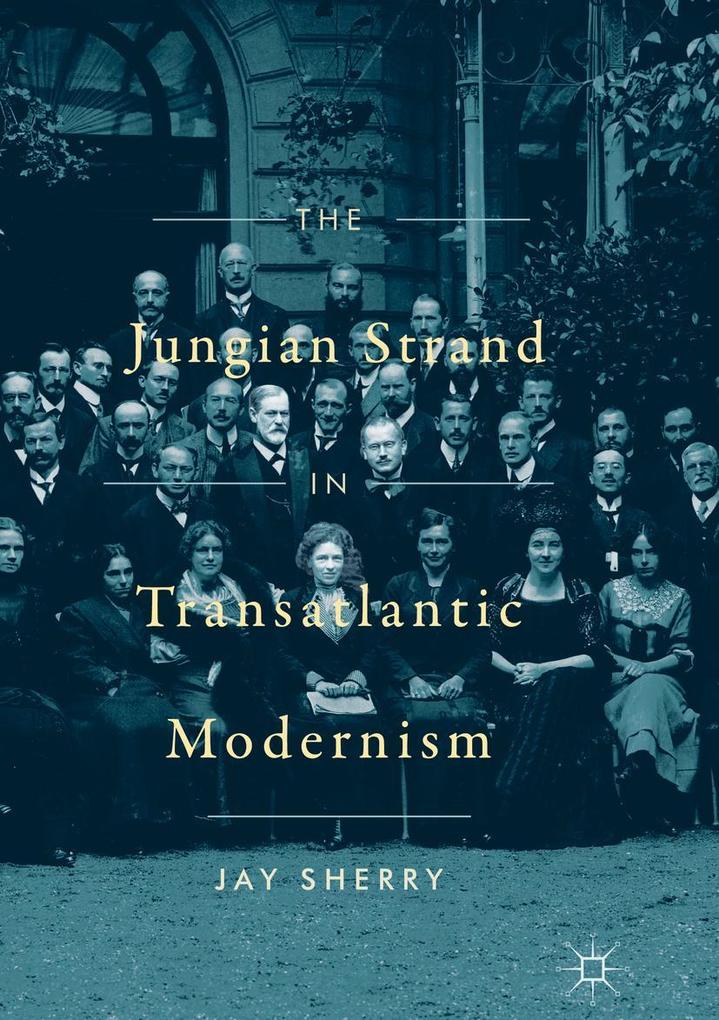
In studies of psychology's role in modernism, Carl Jung is usually relegated to a cameo appearance, if he appears at all. This book rethinks his place in modernist culture during its formative years, mapping Jung's influence on a surprisingly vast transatlantic network of artists, writers, and thinkers. Jay Sherry sheds light on how this network grew and how Jung applied his unique view of the image-making capacity of the psyche to interpret such modernist icons as James Joyce and Pablo Picasso. His ambition to bridge the divide between the natural and human sciences resulted in a body of work that attracted a cohort of feminists and progressives involved in modern art, early childhood education, dance, and theater.
Inhaltsverzeichnis
1. American Dream, Myth, Nightmare. - 2. Beatrice Hinkle and the New Frontiers in Mental Health. - 3. Cultural Ferment in Greenwich Village. - 4. Moving on in the '20s. - 5. Depression and Wartime.