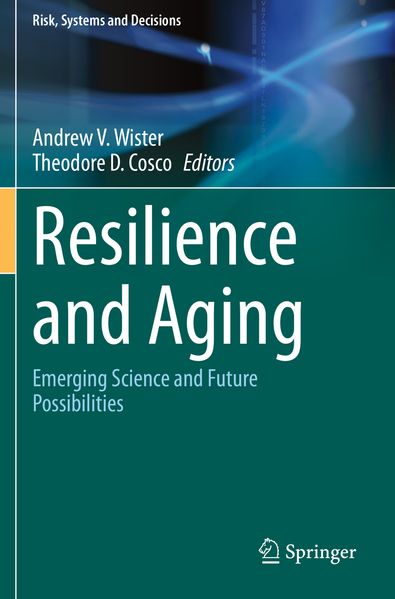
Older aged adults face many adversities over the later life course. This edited volume will address the ways in which seniors bounce back from different types and combinations of adversity - termed "resilience". While research has been accumulating that identifies inherent abilities and external resources needed to adapt and navigate stress-inducing experiences among aging and older adults, gaps remain in understanding the unique elements and processes of resilience. A series of chapters included in this book will address several overarching questions: why do some older individuals/families/communities adapt to adversity better than others; what are modifiable behavioral protective/risk factors related to resilience; and how can we foster resilience at the individual/community level and which approaches show the most promise?
The spectrum of aging-related challenges and responses addressed in this book include: mental health; physical/functional healthproblems; multimorbidity; socio-economic deprivation; social isolation and loneliness; cultural dimensions of loneliness; housing/homelessness problems; and environmental disasters. This book presents cutting-edge science at the conceptual, methodological, empirical and practice levels applied to emerging resilience sub-fields in gerontology. It will also present potential areas of future research, policy and practice linked to these areas.
During a period of the most rapid population aging in the US, Canada and many other nations, coupled with heightened global socio-political change, extending our knowledge of resilience will help society to make important adjustments to maximize health and wellness of older individuals. Supporting and enhancing resilience through technological, social and/or community-level advances in geroscience will help those facing adversity to thrive by harnessing, stretching, and leveraging a wide array of potential resources. The promotion of healthier older populations has far-reaching consequences for health care and social/community support systems, both in terms of public health including pandemic response, and the development and implementation of innovations in treatment and practice guidelines.
Inhaltsverzeichnis
Chapter 1: Introduction: Perspectives of Resilience and Aging. - Chapter 2: Resilience in Older Adults: What it is and How to Strengthen It. - Chapter 3: Resilience in Later life: Responding to Criticisms and Applying New Knowledge to the Experience of Dementia. - Chapter 4: Science and Practice of Resilience: Disaster Systems Applications to Aging Model Development. - Chapter 5: Multimorbidity Resilience: Conceptual, Theoretical and Measurement Developments. - Chapter 6: Quantitative Approaches to Examine Resilience and Aging. - Chapter 7: Positive Affect as Source of Resilience in Adulthood and Later Life. - Chapter 8: Psychological Resilience in the Face of Later-Life Bereavement. - Chapter 9: Physical Resilience and Aging. - Chapter 10: Mobility Resilience Processes Among Older Adults. - Chapter 11: Communities and Resilience: Contextual and Collective Resilience. - Chapter 12: Advancing the Concept of Resilience for Older Adultswho are Experiencing Homelessness.