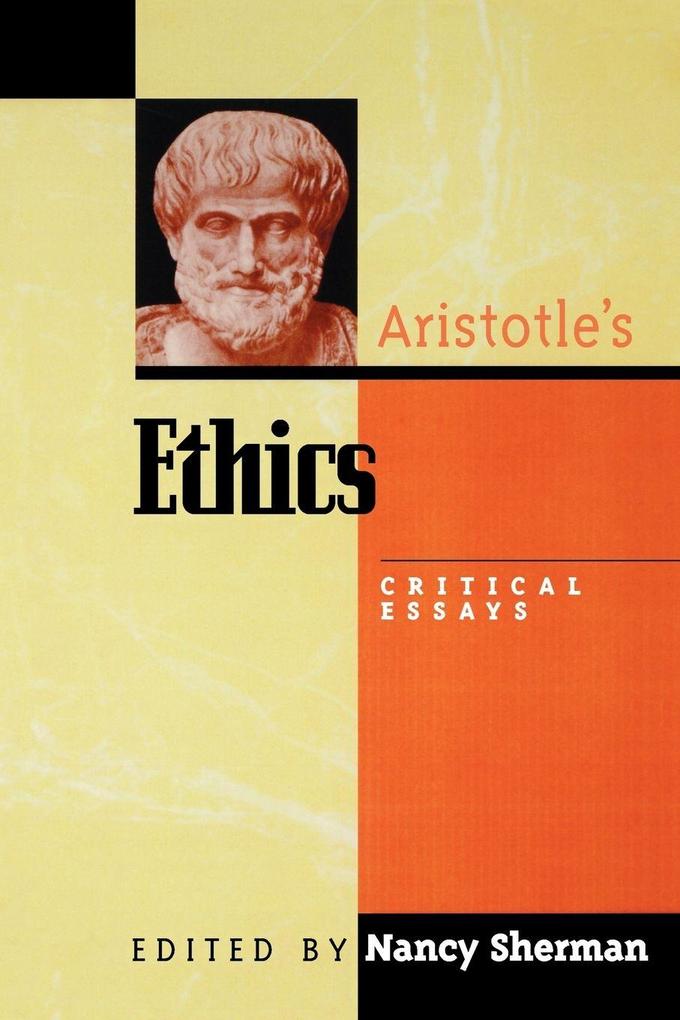
The ethics of Aristotle (384-322 B. C.), and virtue ethics in general, have enjoyed a resurgence of interest over the past few decades. Aristotelian themes, with such issues as the importance of friendship and emotions in a good life, the role of moral perception in wise choice, the nature of happiness and its constitution, moral education and habituation, are finding an important place in contemporary moral debates. Taken together, the essays in this volume provide a close analysis of central arguments in Aristotle's Nicomachean Ethics and show the enduring interest of the questions Aristotle raises.
Inhaltsverzeichnis
Part 1 Introduction
Part 2 Acknowledgements
Chapter 3 1 Permanent Happiness: Aristotle and Solon
Chapter 4 2 Aristotle on Virtue and Happiness
Chapter 5 3 Aristotle on Eudaimonia
Chapter 6 4 Aristotle on the Human Good: An Overview
Chapter 7 5 A False Doctrine of the Mean
Chapter 8 6 Virtue and Reason
Chapter 9 7 The Discernment of Perception: An Aristotelian Conception of Private and Public Rationality
Chapter 10 8 Aristotle on Akrasia, Eudaimonia, and the Psychology of Action
Chapter 11 9 Aristotle on Learning to Be Good
Chapter 12 10 The Habituation of Character
Chapter 13 11 Being Properly Affected: Virtues and Feelings in Aristotle's Ethics
Chapter 14 12 Friendship and the Good in Aristotle
Chapter 15 13 Feminism and Aristotle's Rational Ideal
Part 16 Suggested Readings
Part 17 Authors