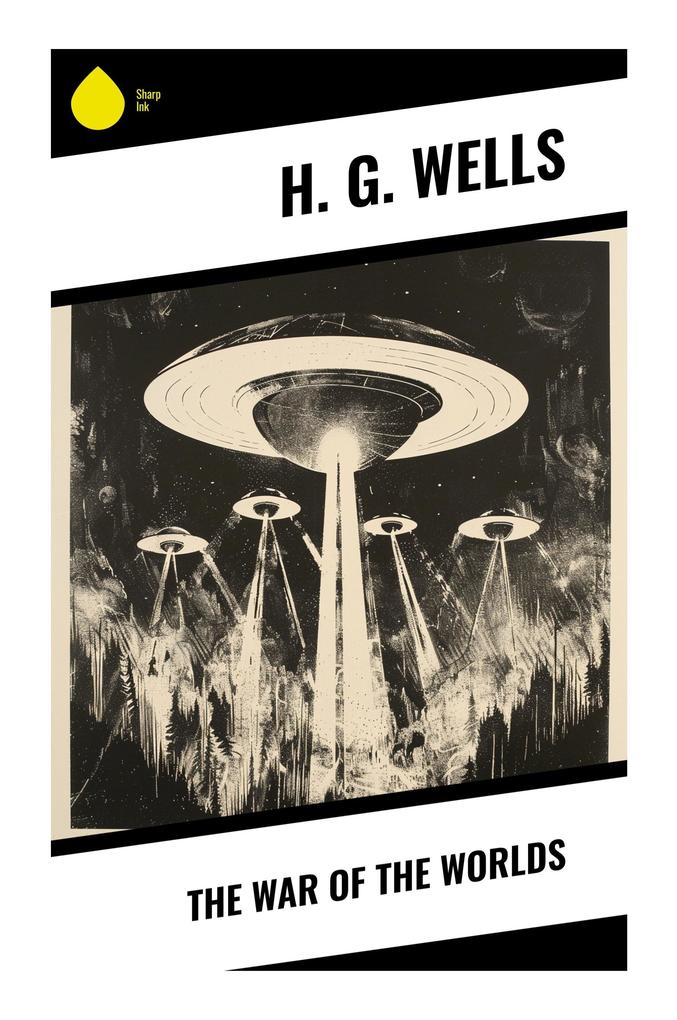
The War of the Worlds imagines the sudden descent of technologically superior Martians upon late-Victorian England, transforming familiar suburbs, commons, and roads into a theatre of imperial panic. Wells fuses brisk adventure narrative with documentary precision, scientific speculation, and Gothic dread, creating a prose style at once lucid and unsettling. Published in 1898, the novel belongs to the formative moment of modern science fiction, while also inverting the assumptions of empire by making Britain the object of conquest. H. G. Wells, trained in biology under T. H. Huxley, brought to fiction a keen awareness of evolutionary theory, scientific method, and social change. His journalism and socialist sympathies sharpened his skepticism toward complacent Victorian progress. In this novel, those influences converge: the Martians are not merely monsters, but instruments through which Wells interrogates human vulnerability, colonial violence, and the fragility of civilization. This book is essential for readers interested in the origins of science fiction and in literature that uses catastrophe to illuminate history. Its suspense remains vivid, but its deeper power lies in its unsettling moral reversal, which continues to challenge modern readers.