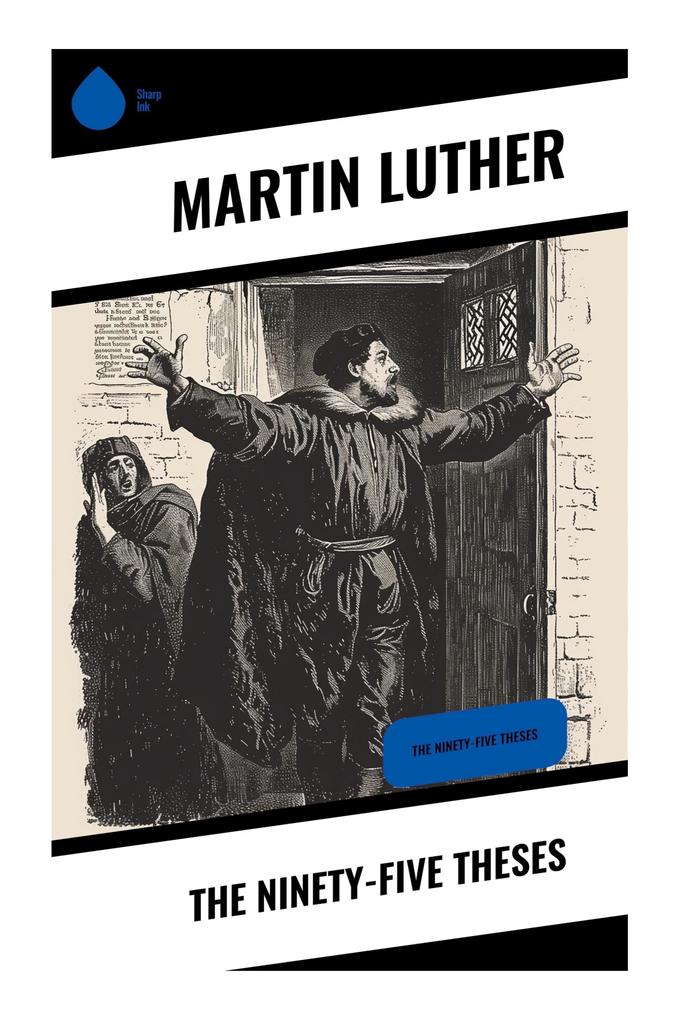
Martin Luther's The Ninety-five Theses is a concise but seismic theological disputation, framed as propositions for academic debate yet written with a moral urgency that reshaped European Christianity. Addressing indulgences, repentance, papal authority, and the economy of salvation, its style is spare, forensic, and scripturally charged. Situated at the threshold of the Reformation, it transforms scholastic argument into a public challenge to ecclesiastical power. An Augustinian friar, university lecturer, and biblical theologian at Wittenberg, Luther was formed by monastic discipline, humanist learning, and an anguished concern for justification before God. His pastoral alarm at the sale of indulgences, especially under Johann Tetzel, sharpened his conviction that forgiveness could not be commodified. The theses reflect both academic habit and spiritual crisis. Readers interested in religious history, political thought, rhetoric, or the origins of modern conscience will find this text indispensable. Though brief, it demands careful reading, for its force lies in cumulative distinctions rather than slogans. It is recommended not merely as a Protestant artifact, but as a foundational document in the history of dissent, reform, and the written word's capacity to alter institutions.