Charlotte Perkins Gilman (1860 1935) was a trailblazing force of intellect and courage, a woman who refused to fit neatly into the mold society had crafted for her. Born in Hartford, Connecticut, she grew up in a family marked by financial struggles and an unconventional upbringing, with little formal education but an insatiable appetite for knowledge.
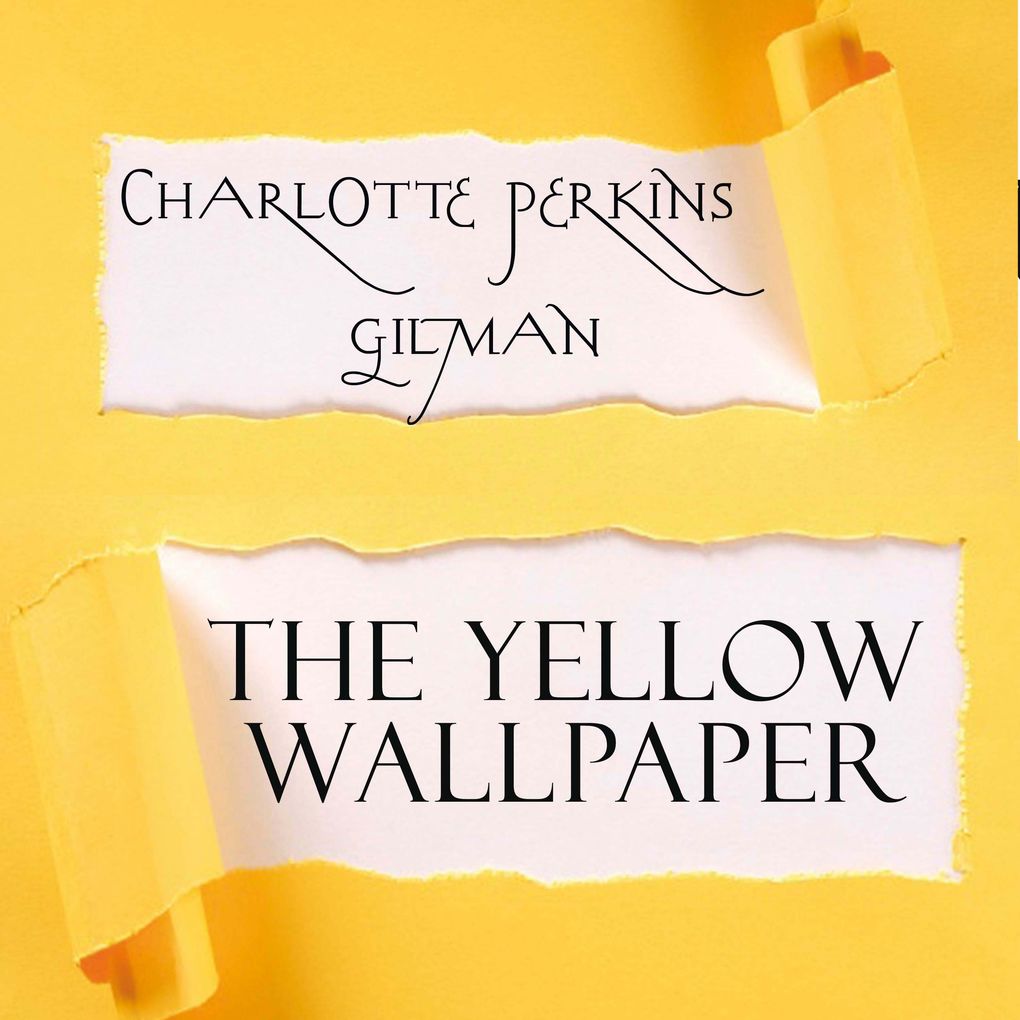
A natural storyteller and thinker, Gilman channeled her talents into writing and speaking, becoming one of the most influential voices of her time. Her groundbreaking short story, The Yellow Wallpaper (1892), is a chilling exploration of mental health, gender roles, and the suffocating constraints of domestic life. Drawing on her own experiences, it became a cornerstone of feminist literature, resonating with readers across generations.
But Gilman didn't stop there. As a humanist, lecturer, and early sociologist, she tackled big questions about social structure, gender equality, and the role of women in the modern world. Her utopian novel, Herland, envisioned a society run entirely by women a bold and thought-provoking critique of patriarchal norms.
Gilman's work wasn't without controversy. She held views on eugenics that today are rightfully criticized, complicating her legacy. Yet her contributions to the fight for gender equality and her sharp critique of societal norms remain powerful and relevant.
Charlotte Perkins Gilman lived a life unafraid to challenge the status quo. She passed away in 1935, leaving behind a body of work that continues to inspire, provoke, and ignite discussion.