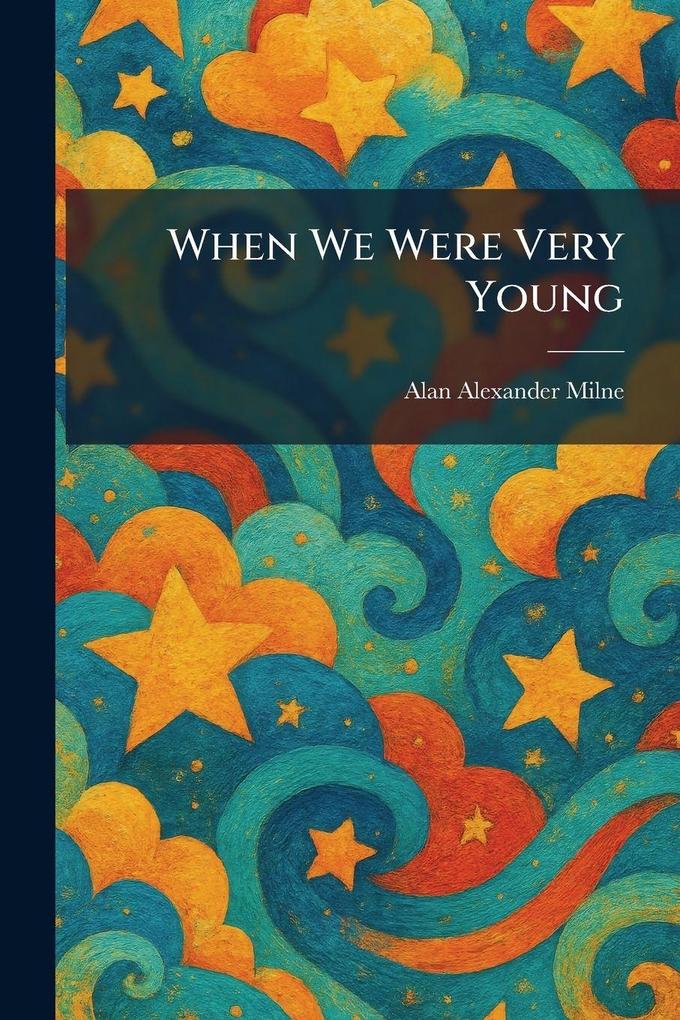
"When We Were Very Young" is a timeless collection of children's poetry that captures the whimsical and innocent world of early childhood. Written by A. A. Milne, these verses explore the imaginative landscapes and daily adventures of a young boy named Christopher Robin. Through rhythmic and engaging rhymes, the work delves into themes of play, wonder, and the unique logic of a child's mind.
The collection is renowned for its charming characters and gentle humor, featuring beloved poems such as "Buckingham Palace," "Halfway Down," and "The King's Breakfast." Notably, the work marks one of the earliest appearances of a certain bear of very little brain, known here as Edward Bear, who would later become the world-famous Winnie-the-Pooh. Milne's masterful use of language makes these poems perfect for reading aloud, appealing to both the young and the young at heart.
As a cornerstone of British children's literature, "When We Were Very Young" remains a cherished classic. Its enduring popularity lies in its ability to evoke the nostalgia of youth while celebrating the simple joys of discovery and companionship. This collection continues to inspire generations of readers with its warmth, wit, and unforgettable lyrical quality.
This work has been selected by scholars as being culturally important, and is part of the knowledge base of civilization as we know it. This work was reproduced from the original artifact, and remains as true to the original work as possible. Therefore, you may see the original copyright references, library stamps (as most of these works have been housed in our most important libraries around the world), and other notations in the work.
This work is in the public domain in the United States of America, and possibly other nations. Within the United States, you may freely copy and distribute this work, as no entity (individual or corporate) has a copyright on the body of the work.
As a reproduction of a historical artifact, this work may contain missing or blurred pages, poor pictures, errant marks, etc. Scholars believe, and we concur, that this work is important enough to be preserved, reproduced, and made generally available to the public. We appreciate your support of the preservation process, and thank you for being an important part of keeping this knowledge alive and relevant.