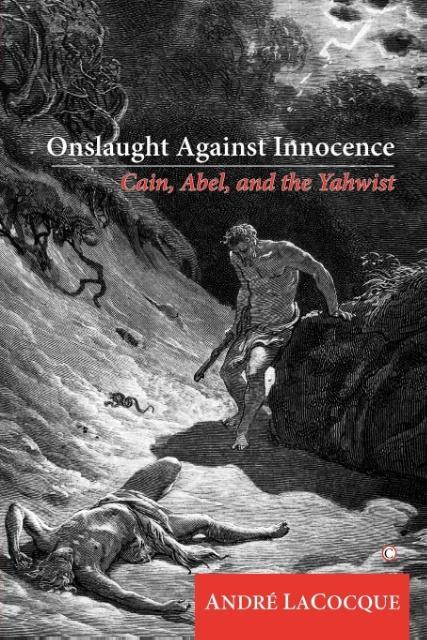
An analytical study of the biblical myth of Cain and Abel, revealing the narrative intricacies and the profound insights of the story. <p/>This is a literary-critical analysis of the myth of Cain and Abel, masterfully related in Genesis 4 by the Yahwist, probably the greatest storyteller in the Hebrew Bible. The Yahwist (commonly refered to as J, responsible for much of the Chapters 2-11 of Genesis) narrates the initial slaughter of one human being by another, and strikingly, it is described as fratricidal. <p/>Onslaught Against Innocence explores the anthropological, theological, and psychological dimensions of this universal myth. LaCocque provides a close reading of J's story by using literary and psychological criticism, revealing that the biblical author has more than an "archaeological" design. Rather, his characters - including God, Adam, Eve, Cain, and Abel, plus minor figures - are paradigmatic, and as such they allow J to proceed with a fine analytical feel for the nature of evil. LaCocque shows that this well known story is much more than it seems at first sight; it is a portrait of a humanity that is always torn between the innocence of Eden and its denial; between what J calls "doing well" and "not doing well".