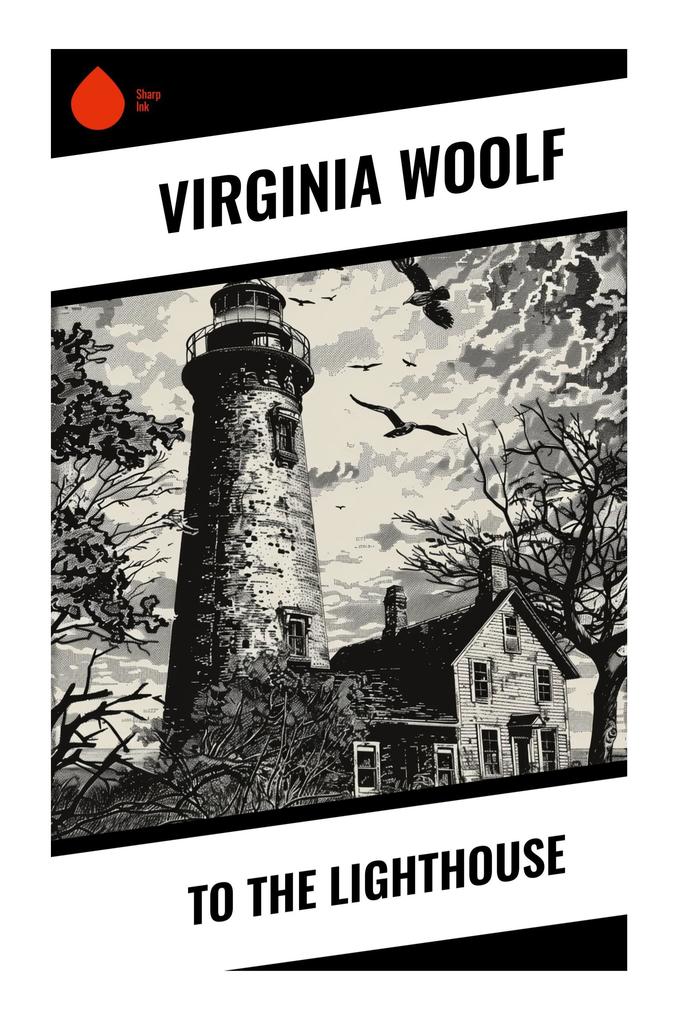
Virginia Woolf's To the Lighthouse (1927) is a landmark of modernist fiction, transforming a seemingly modest family holiday in the Hebrides into a profound meditation on time, perception, loss, and artistic creation. Through fluid interior monologue and shifting perspectives, Woolf dissolves conventional plot in favor of psychological depth and lyrical patterning. The Ramsay family and their guests become figures through whom questions of gender, memory, and meaning are refracted, while the lighthouse itself gathers symbolic force as an image of desire, distance, and elusive completion. Woolf drew deeply on her own childhood summers in St Ives and on the complex emotional legacy of her parents, Leslie and Julia Stephen, when shaping the Ramsays. A central figure in the Bloomsbury Group, she was also one of the most daring formal innovators of the twentieth century. Her interest in consciousness, female experience, and the instability of social certainties informs every page of the novel. This book is essential for readers interested in modernism, feminist literary history, or the art of psychological fiction. It rewards patient attention, offering not spectacle but revelation: the quiet drama of minds encountering time, grief, beauty, and one another.