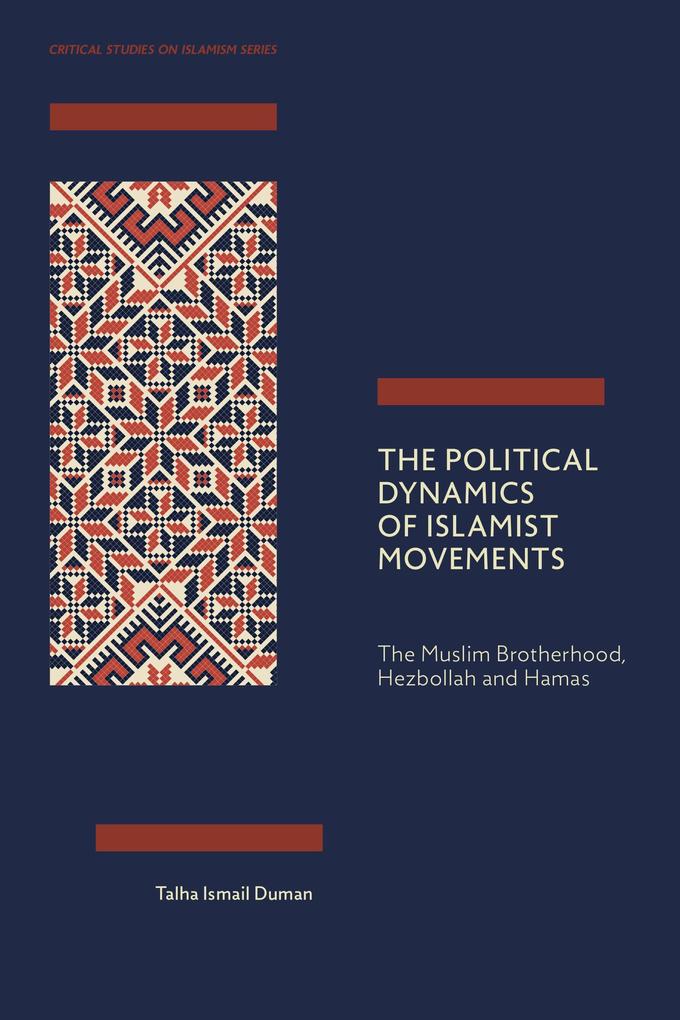
The Muslim Brotherhood, Hamas and Hezbollah are pivotal Islamist actors in the region. But while each is deeply rooted in social welfare and community engagement they have followed strikingly different political paths. This book uses Social Movement Theory to explain why, examining how the interplay of ideology, organization and external pressures have shaped their political roles. This is the first book to examine these three groups together, and the study integrates theoretical analysis with in-depth case studies as well as interviews with key figures from the movements. In doing so, it provides a nuanced and comprehensive understanding of the political dynamics of Islamist groups.
Inhaltsverzeichnis
Introduction
Chapter 1: Practical Transformations of Islamic Movements
Chapter 2: Ideological Dimension - Political Role Relationship
Chapter 3: The Relationship Between Organizational Capacity and Political Role.
Chapter 4: The Relationship Between Autonomy and Political Roles
Conclusion