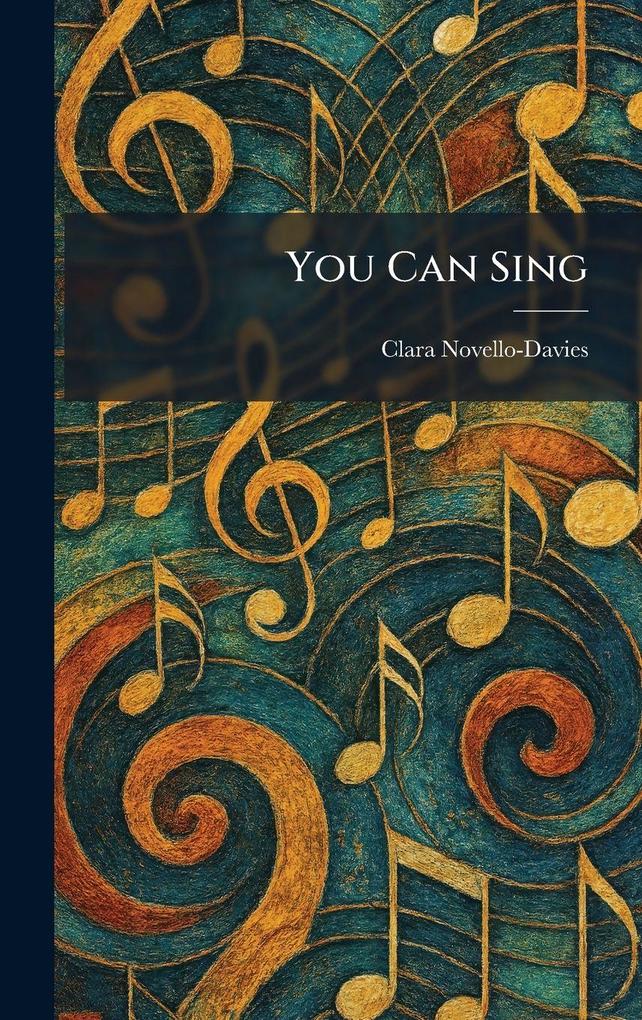
"You Can Sing" is an encouraging and comprehensive guide to vocal mastery and the art of song, authored by the renowned Welsh singer and teacher Clara Novello-Davies. This influential work is built upon the foundational belief that singing is a natural human expression accessible to everyone, rather than a gift reserved for a select few. Throughout the text, Novello-Davies shares the professional expertise and pedagogical methods that made her a celebrated figure in the musical world of the early 20th century.
The book delves into the technical requirements of vocal production, covering essential topics such as breath control, resonance, and articulation. Beyond the physical aspects of performance, it also addresses the psychological barriers that often hinder aspiring vocalists, offering a blend of practical exercises and empowering philosophy. "You Can Sing" serves as both a historical manual for technical improvement and a timeless inspiration for anyone seeking to discover their true voice. As a significant document of music pedagogy, it offers unique insight into the training techniques of a legendary instructor, making it a valuable resource for choral singers, soloists, and students of music history alike.
This work has been selected by scholars as being culturally important, and is part of the knowledge base of civilization as we know it. This work was reproduced from the original artifact, and remains as true to the original work as possible. Therefore, you may see the original copyright references, library stamps (as most of these works have been housed in our most important libraries around the world), and other notations in the work.
This work is in the public domain in the United States of America, and possibly other nations. Within the United States, you may freely copy and distribute this work, as no entity (individual or corporate) has a copyright on the body of the work.
As a reproduction of a historical artifact, this work may contain missing or blurred pages, poor pictures, errant marks, etc. Scholars believe, and we concur, that this work is important enough to be preserved, reproduced, and made generally available to the public. We appreciate your support of the preservation process, and thank you for being an important part of keeping this knowledge alive and relevant.