


Das eBook.de Hörbuch Abo - jederzeit, überall, für nur 7,95 € monatlich!
Jetzt entdecken
mehr erfahren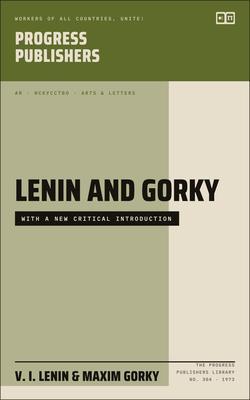
Some of the most quoted words ever written about Lenin are in this book, and the man who wrote them had, a few years earlier, called Lenin's revolution a crime.
The centrepiece is Maxim Gorky's memoir - the affectionate novelist's portrait that, more than any official life, fixed the human image of the founder in the popular mind. Here is the Lenin who laughed easily, played with children and stroked cats, and here too is the most famous anecdote in the whole literature, Lenin turning away from the Appassionata because music made him want to say sweet nothings and stroke people's heads when the times demanded he hit them instead. No propagandist invented that. Gorky heard it and set it down, and it has done more to humanise Lenin - and, read another way, to reveal the cost of his politics - than any speech Lenin gave.
The correspondence filling the first half is genuinely valuable too: two decades of letters in which Lenin coaxes, scolds and argues philosophy with a great writer he admired and could not control.
What is missing is the point. Gorky was not a Bolshevik cheerleader in 1917. He opposed the October seizure of power and said so in public, week after week, in his own newspaper, in the articles later collected as Untimely Thoughts - denouncing the closure of the opposition press, the early terror, and what he called a cold-blooded experiment conducted on living human material.
New critical introduction by Dmitry Chasovennikov.
Es wurden noch keine Bewertungen abgegeben. Schreiben Sie die erste Bewertung zu "Lenin and Gorky" und helfen Sie damit anderen bei der Kaufentscheidung.