







Das eBook.de Hörbuch Abo - jederzeit, überall, für nur 7,95 € monatlich!
Jetzt entdecken
mehr erfahren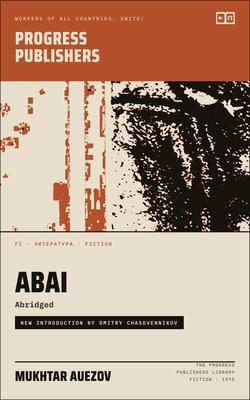
A boy of thirteen rides home across the steppe from a religious school, impatient, spurring ahead of his escort. Within a few pages he is standing in a crowd watching his father have a man hanged from a camel, and then, because the man is slow to die, ordering the body carried to the top of a cliff and thrown off it. The boy presses his hands over his eyes and sinks to the ground.
The father is Kunanbai, the aga-sultan, the tsar's appointed head of the clan. The boy is Abai Kunanbayev, who will become the founder of written Kazakh literature. The scene is not there to make Kunanbai a monster. It is there because the execution of Kodar for a crime the reader is never allowed to be sure he committed is how the steppe settled such things, and because Abai's education begins with watching it.
Auezov is not writing a life of a poet. He is writing about a society and its law, and about a child who has to learn the law from the man who administers it. Abai is the one indisputably major novel in the whole Soviet export literature, and it deserves to be read for itself before it is read as anything else.
The text is the Progress Publishers abridged edition of 1975, in the Soviet Authors Library, reproduced complete as printed. The copyright page credits the illustrator and records a corporate translation copyright; no translator is named. A new critical introduction has been added.
Es wurden noch keine Bewertungen abgegeben. Schreiben Sie die erste Bewertung zu "Abai (Abridged)" und helfen Sie damit anderen bei der Kaufentscheidung.